The Garden Is Trying to Kill You. Mostly Not the Plants You'd Suspect.
Halloween runs on fear, and most of the fear is misfiled. The plants with the gothic reputations are usually harmless, and the genuinely lethal ones tend to be sitting in a flower bed looking ornamental. Here is a field guide to what’s actually dangerous, what was only ever theatrical, and a few that earned the reputation the hard way.
The genuinely lethal
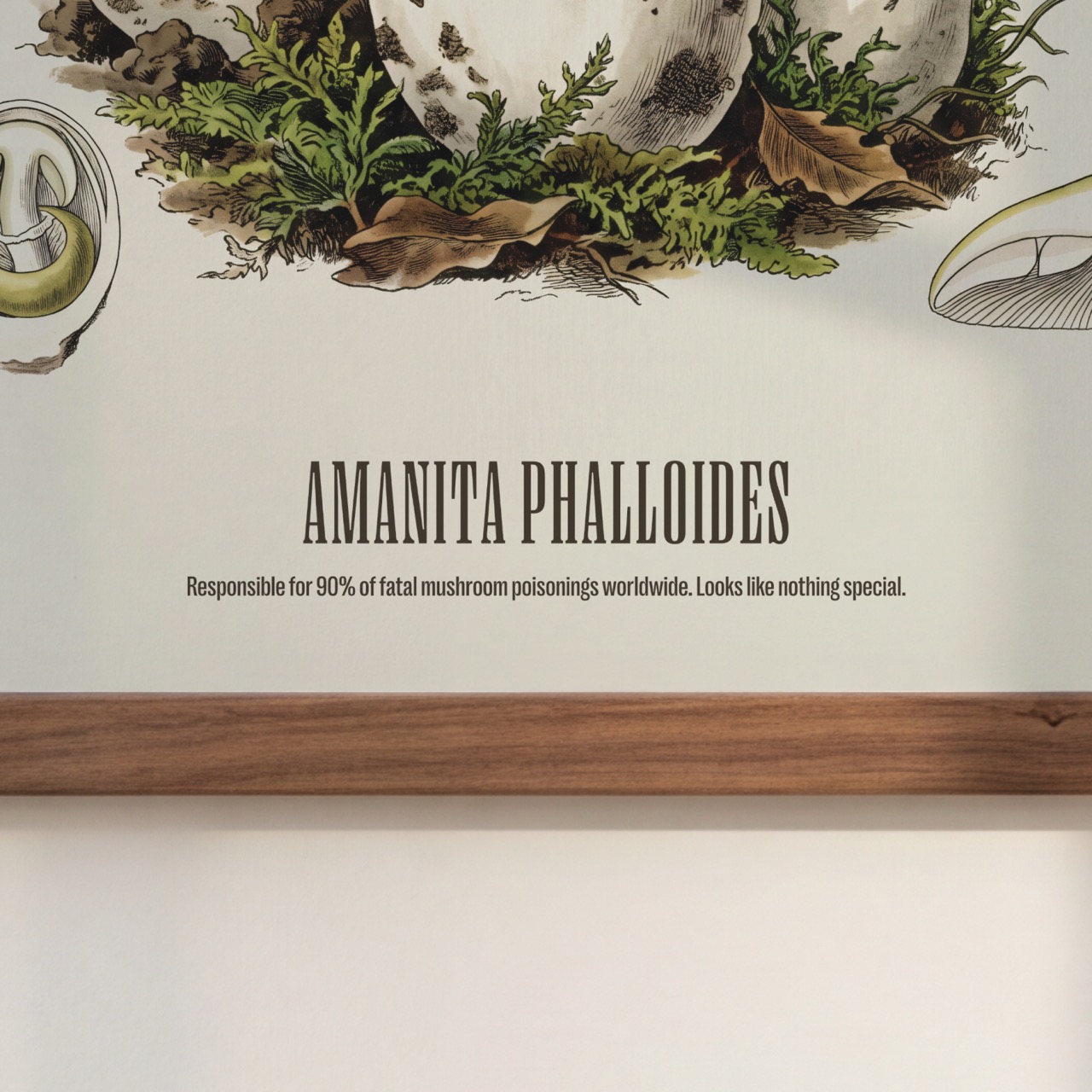
Start with the one that means it. The death cap, Amanita phalloides, is responsible for the large majority of fatal mushroom poisonings worldwide, and it looks like nothing in particular: a pale, pleasant, unremarkable mushroom you could walk past without a second glance. That’s the entire problem. The dangerous ones don’t advertise.
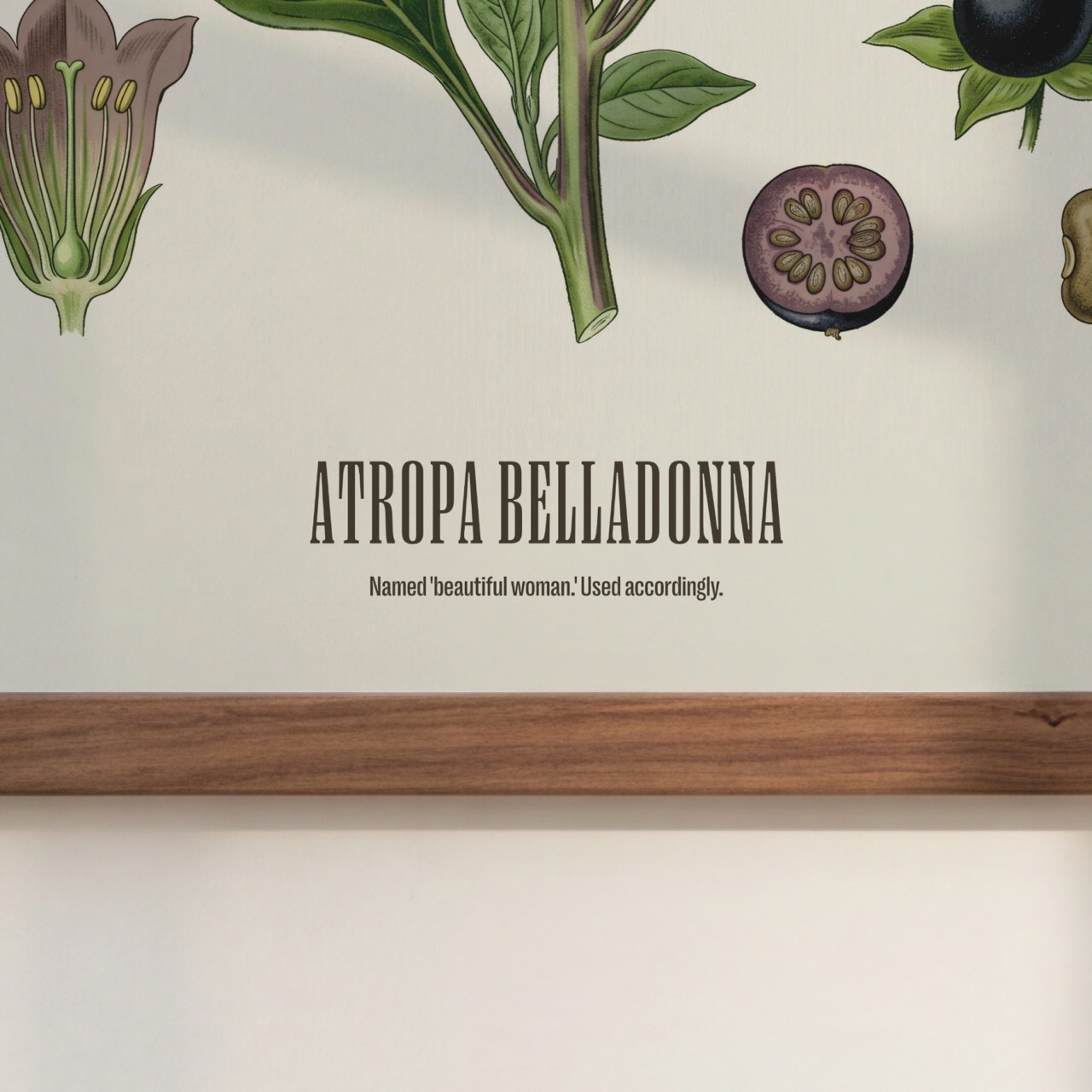
Belladonna advertises, faintly. Atropa belladonna means “beautiful woman.” Renaissance Italians dropped its extract into their eyes to widen the pupils, which was considered attractive and is, separately, a symptom of poisoning. The name is a compliment and a warning in the same breath.
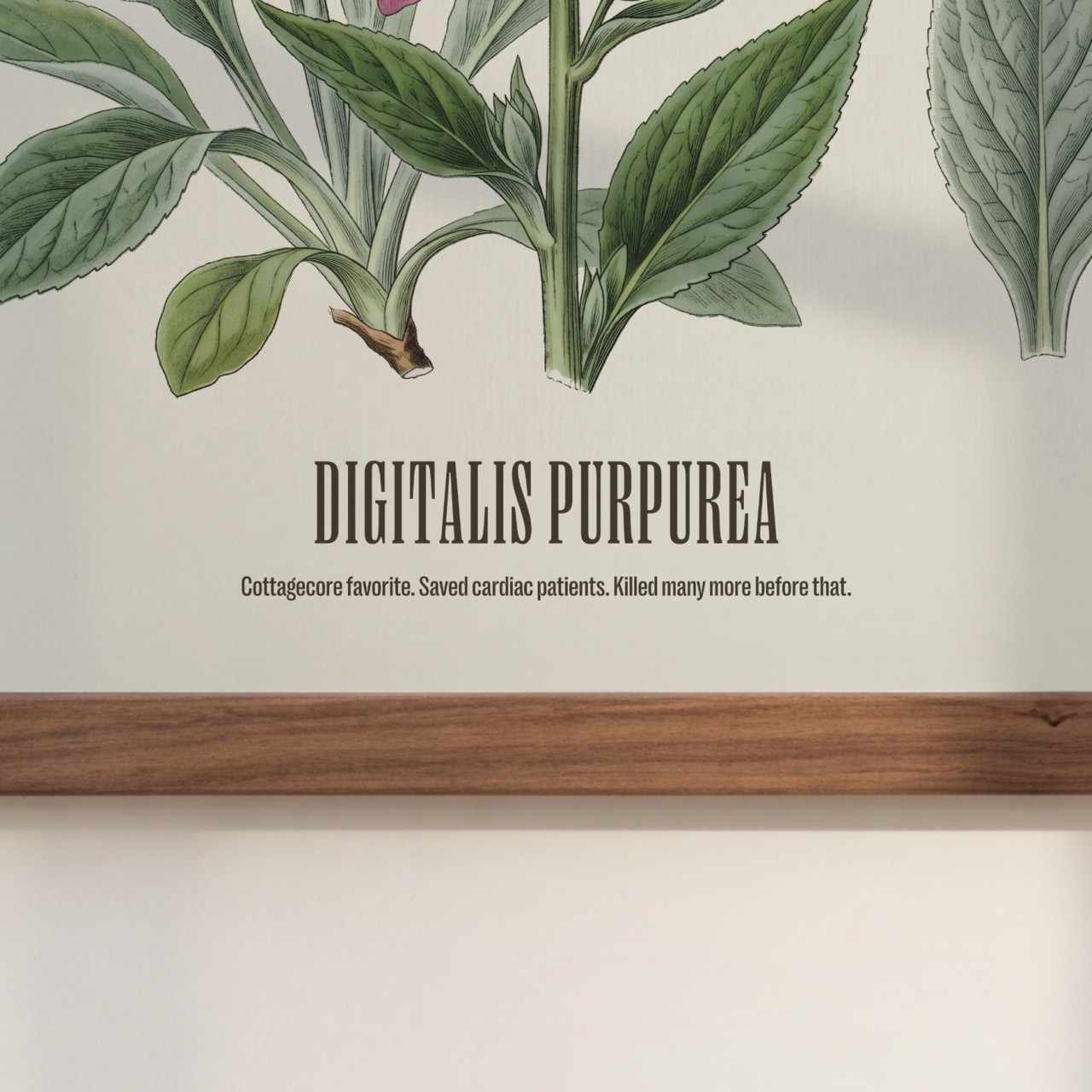
Foxglove is the cottage-garden favourite that quietly runs the cardiac ward. Digitalis purpurea is where the heart drug digitalis comes from; in the right dose it keeps people alive, and in a slightly wrong one it does the opposite. It killed for centuries before it cured.
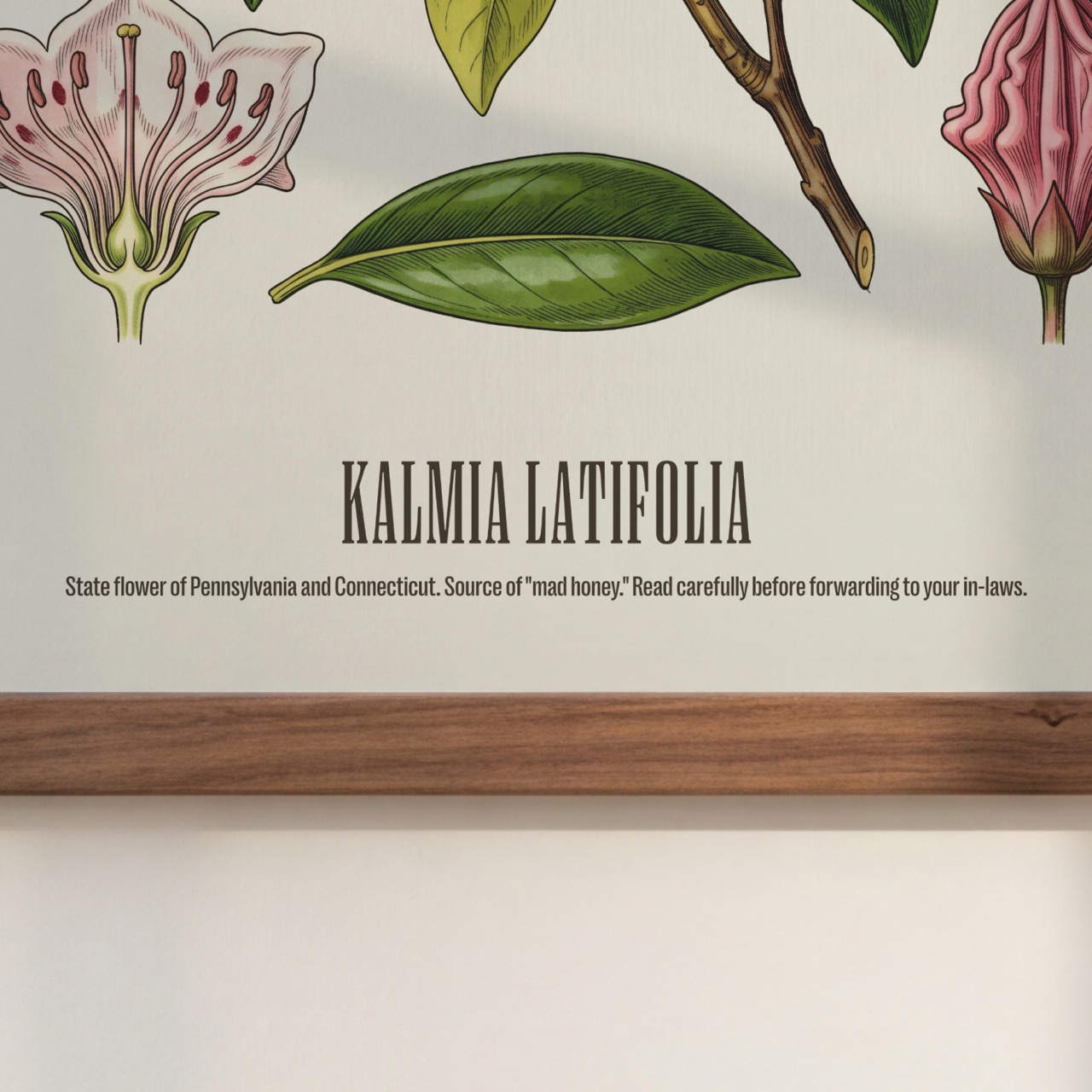
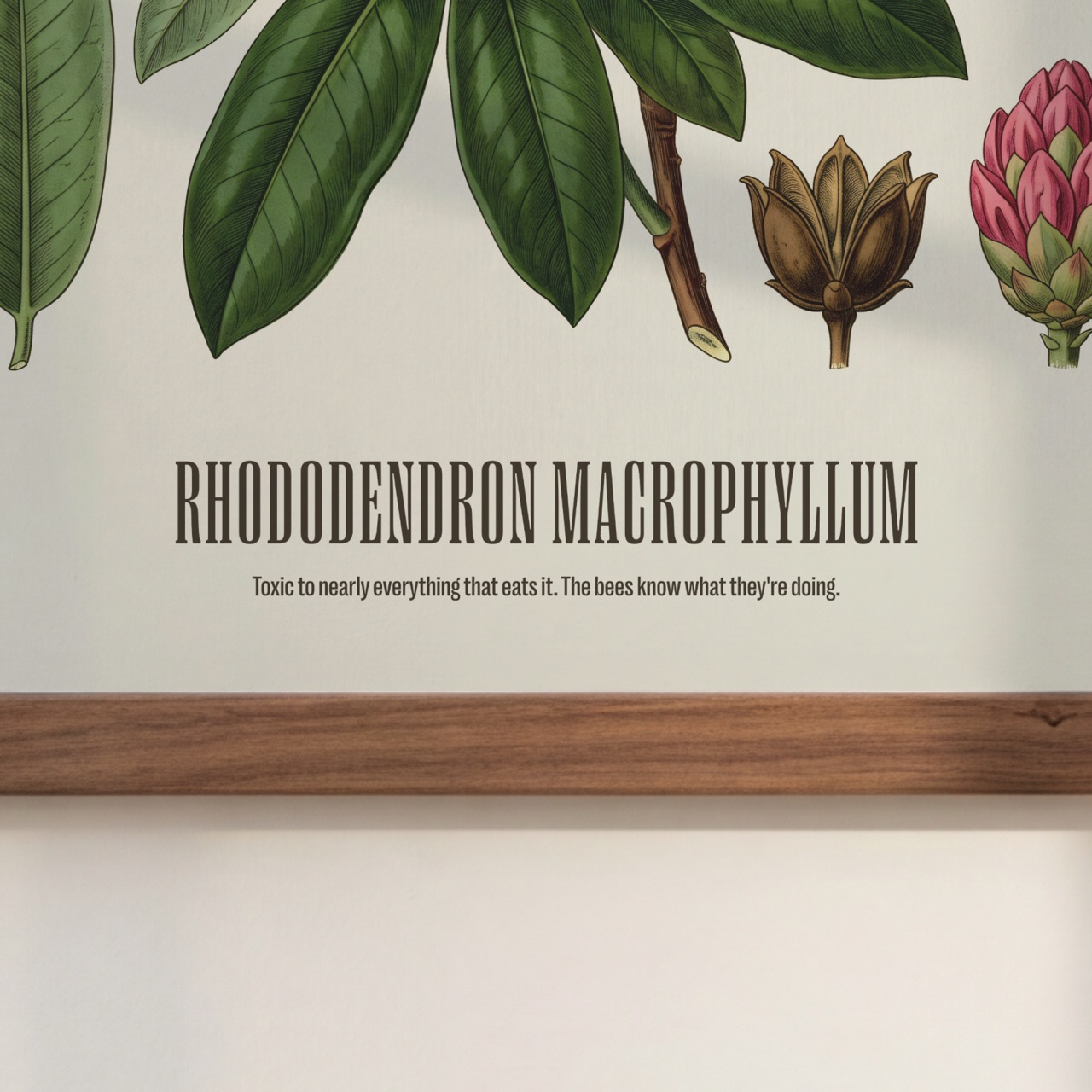
Then the ones that hide in the honey. Mountain laurel and Pacific rhododendron both carry grayanotoxin, which passes into the nectar and then into the honey. “Mad honey,” recorded by Xenophon in 401 BC as having flattened an entire Greek army that ate it by a roadside. Both are beautiful flowering shrubs — a flower can be ornamental and still be up to something, even if most of them are only trying to outlast another year.
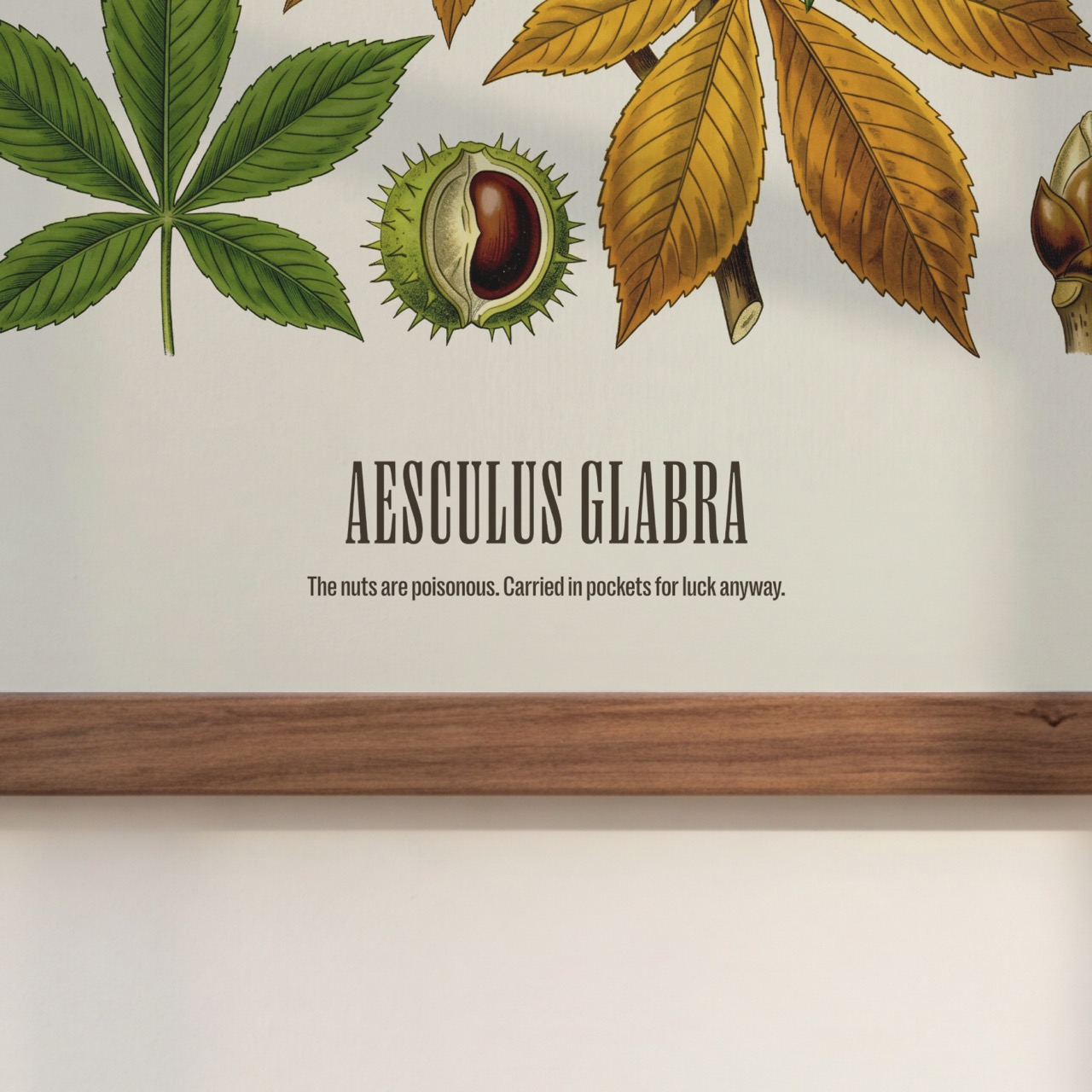
And the one you’d hand to a child: the Ohio buckeye. The nuts are poisonous. They have been carried in pockets for luck for generations regardless, which says something about how people weigh a known risk against a vague hope.
The merely theatrical
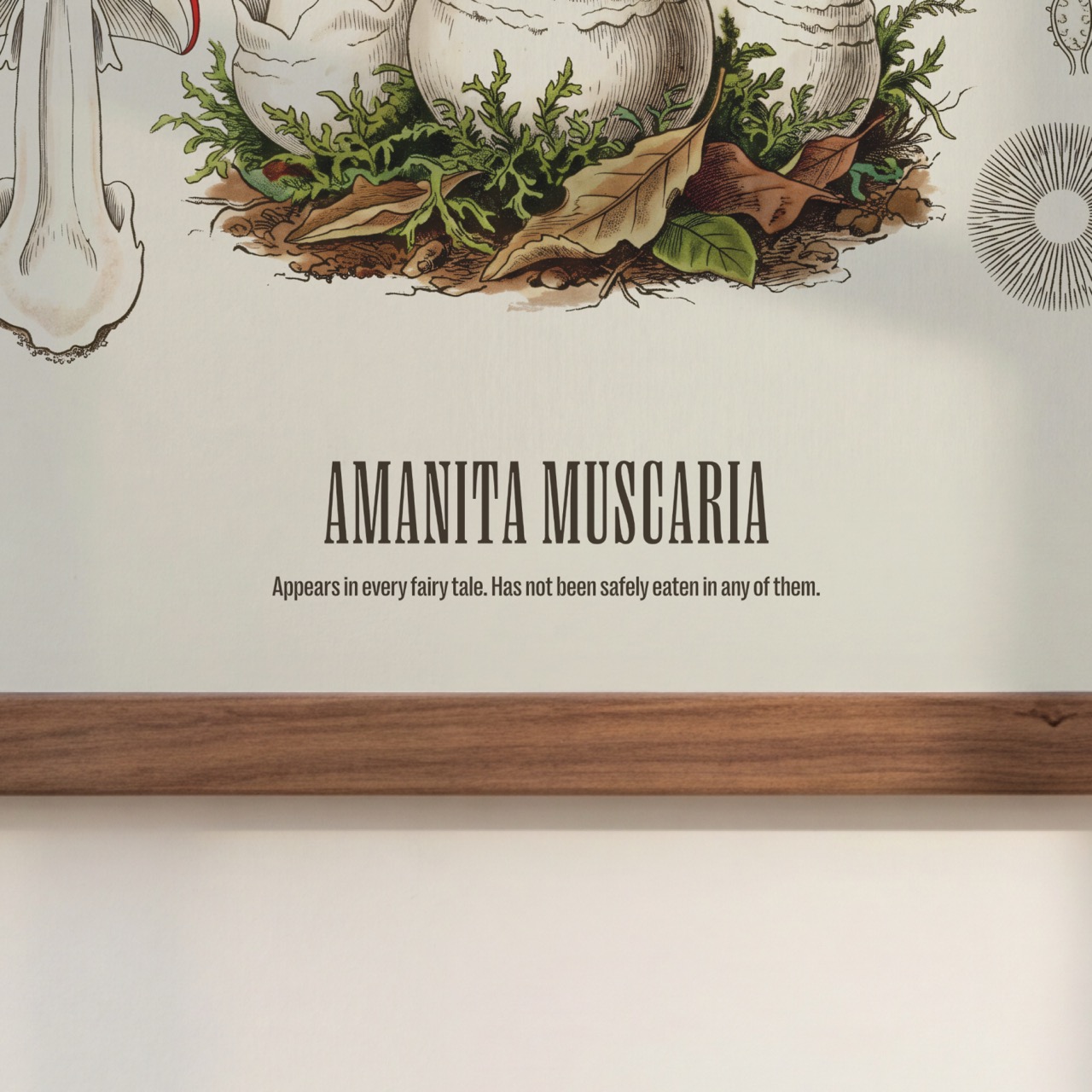
The most famous “dangerous” mushroom is barely a killer. Fly agaric, the red cap with white spots from every fairy tale and half the video games, is genuinely toxic but rarely fatal. Its real history is stranger than poison: psychoactive, tangled up in Siberian shamanism and a great deal of unprovable folklore about flying reindeer. It has a reputation for danger it mostly didn’t earn.
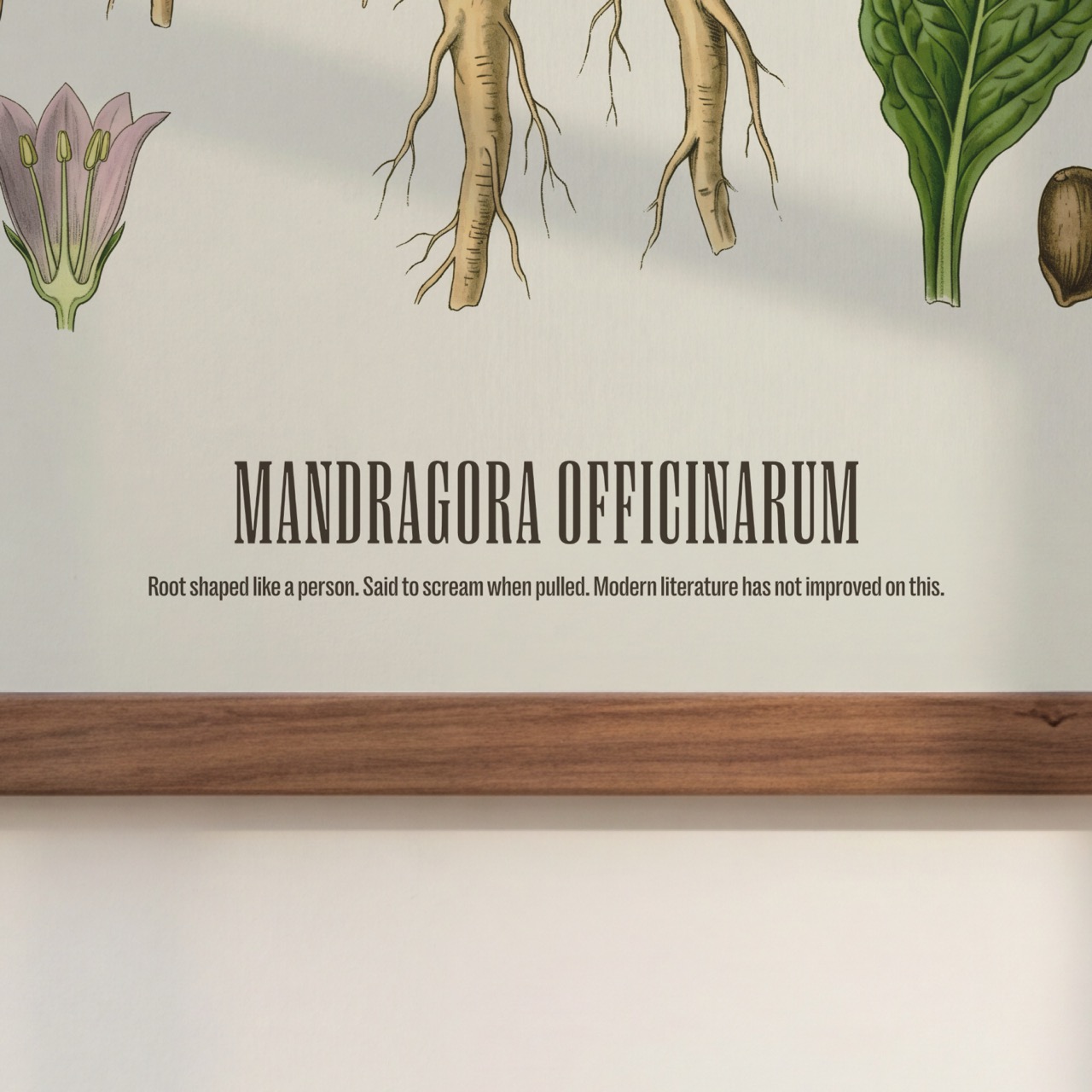
Mandrake earned its reputation through theatre. The root grows in a vaguely human shape, and medieval folklore held that it screamed when pulled from the ground, loudly enough to kill anyone who heard it. You were meant to tie a dog to it and stand well back. Modern fiction has borrowed the scream without improving on it.
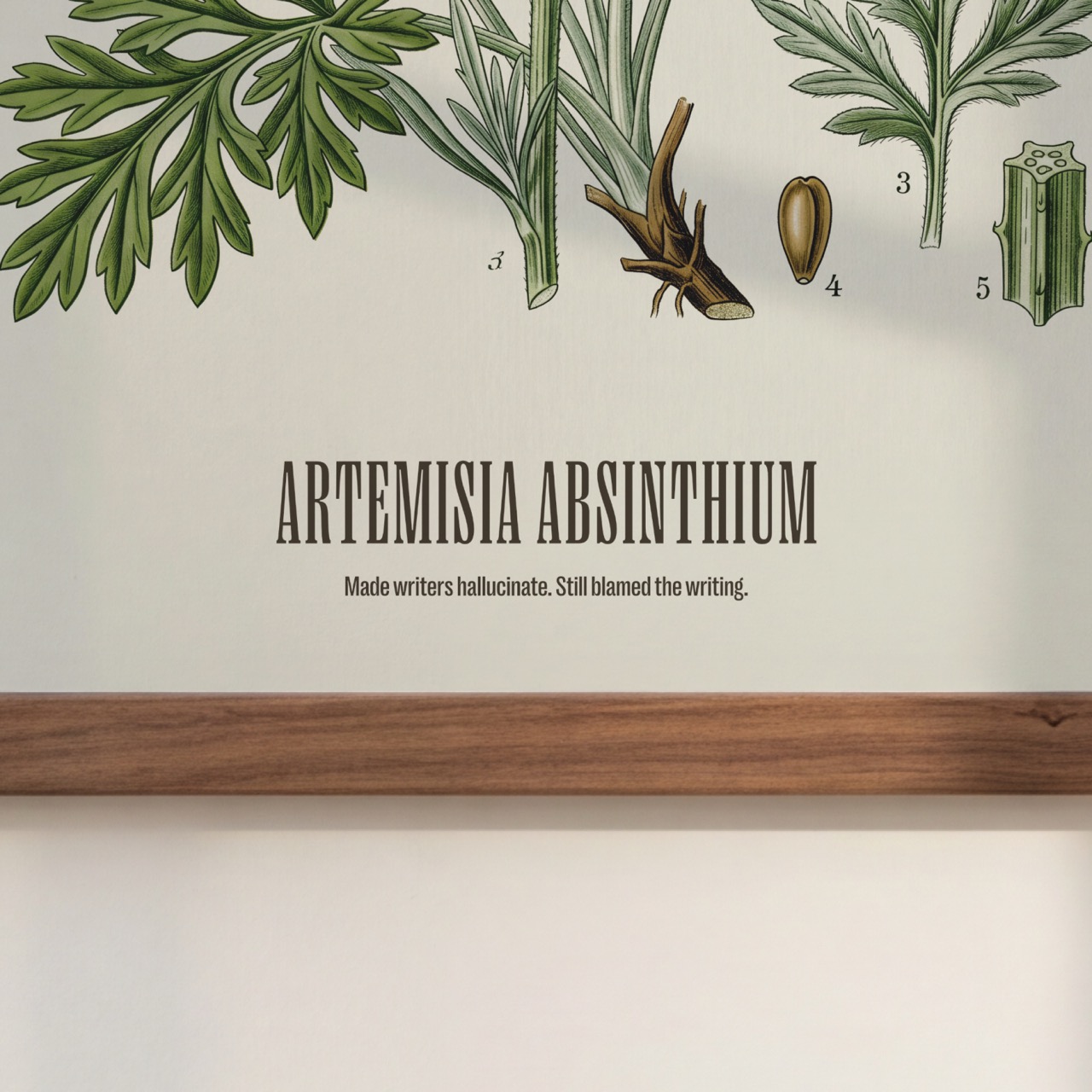
Wormwood took the blame for a century of bad behaviour it didn’t commit. Artemisia absinthium flavours absinthe, and absinthe was accused of driving a generation of French artists mad. The madness was mostly alcohol, and the rest was a moral panic. The plant has been quietly cleared. The reputation lingers.
The brief and the strange
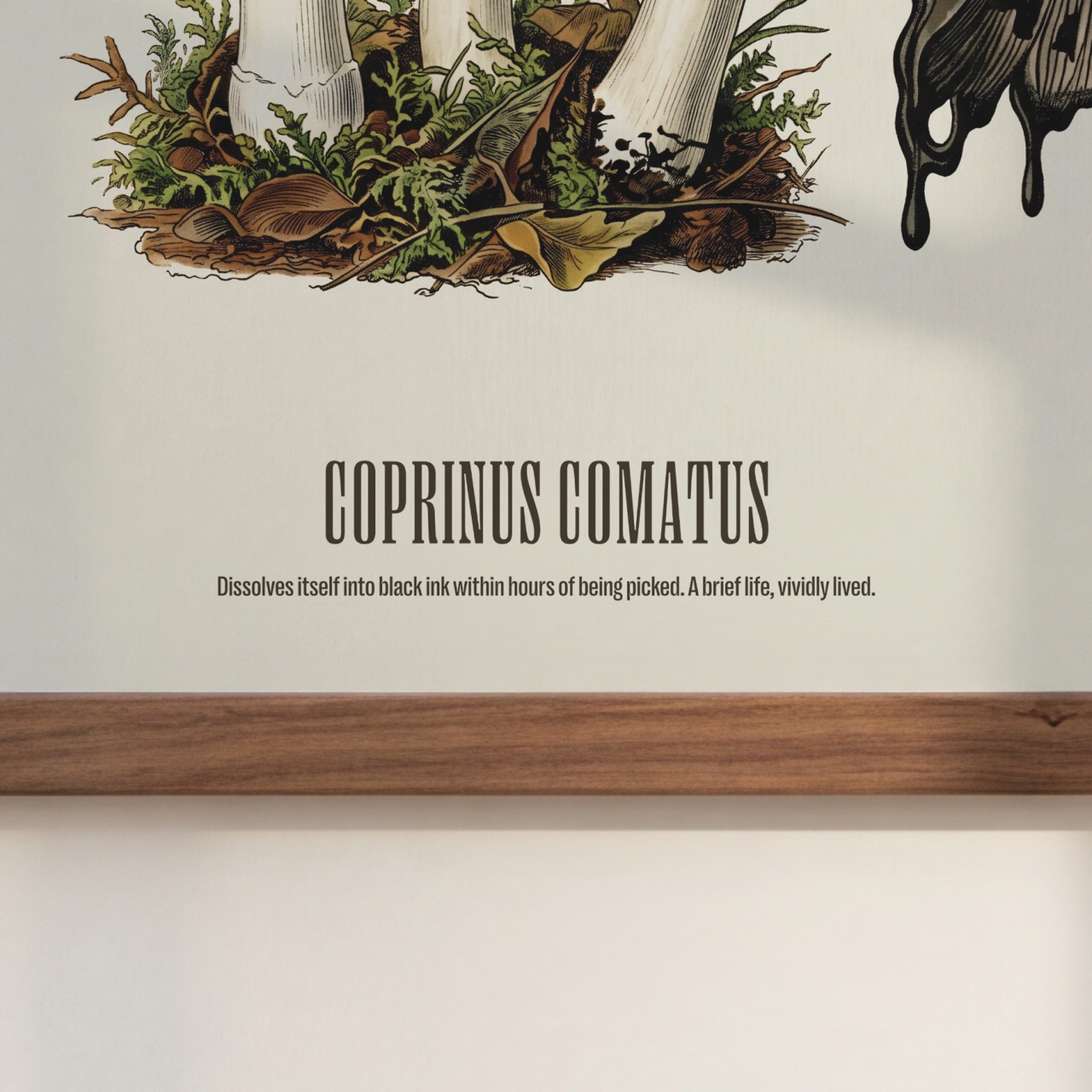
Some plants are unsettling without being dangerous at all. The shaggy ink cap is one of the more honest objects in the forest: within hours of being picked, it dissolves itself into a pool of black liquid, like a mushroom that has read the room and decided to leave.
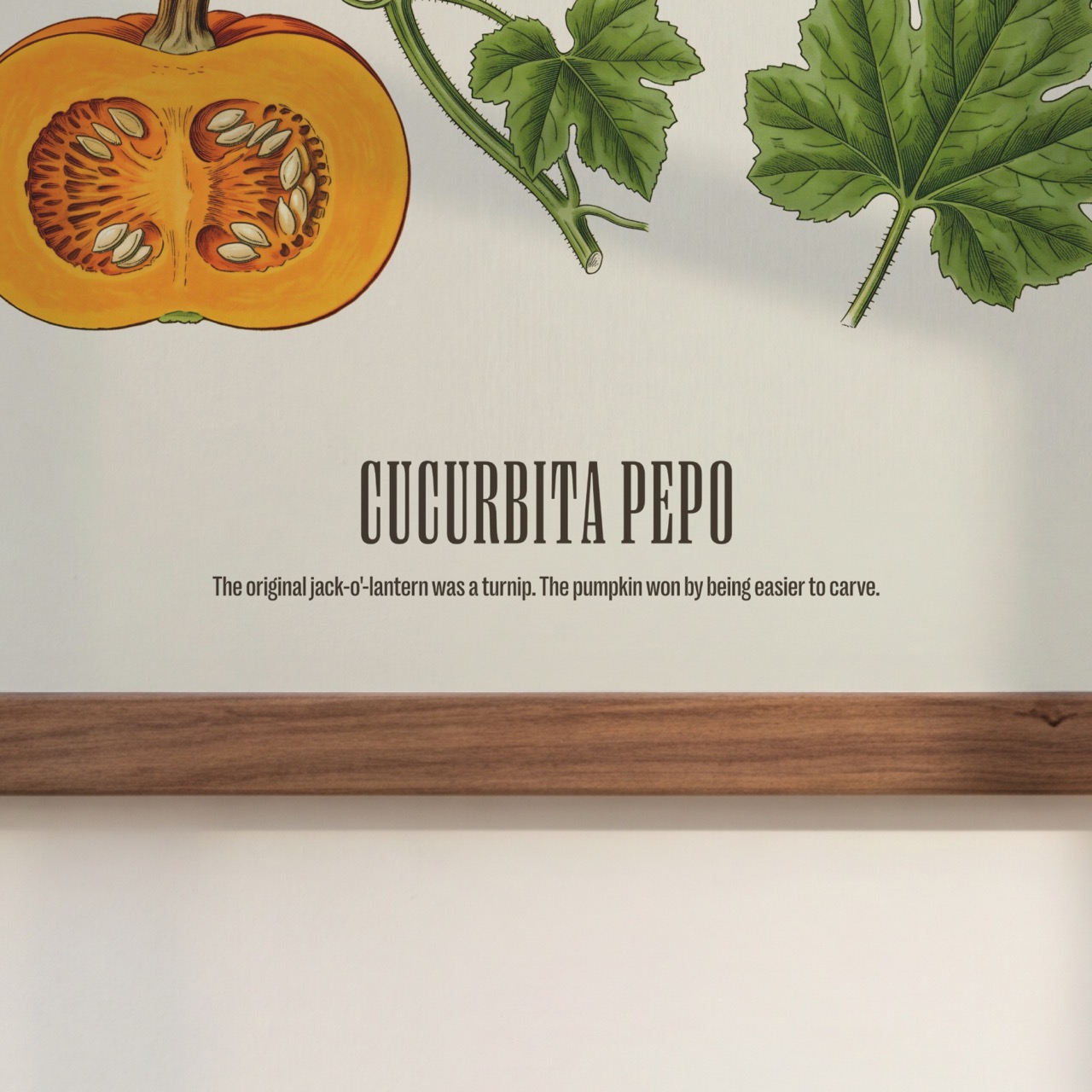
And the pumpkin, presiding over all of it, is an immigrant to the role. The original jack-o’-lantern was a turnip, carved in Ireland to ward off a wandering soul named Stingy Jack. The pumpkin won the job in America for the unglamorous reason that it was bigger and easier to carve. The most recognisable symbol of the season got there on logistics.
The set
Six of these live together as a print set: the three that mean it (belladonna, foxglove, the death cap) and three that only ever auditioned for the part. That’s the Poison Garden Set of 6 — vintage botanical and mycological plates, footnotes included.