What Your Birthday Flowers Are Actually Doing
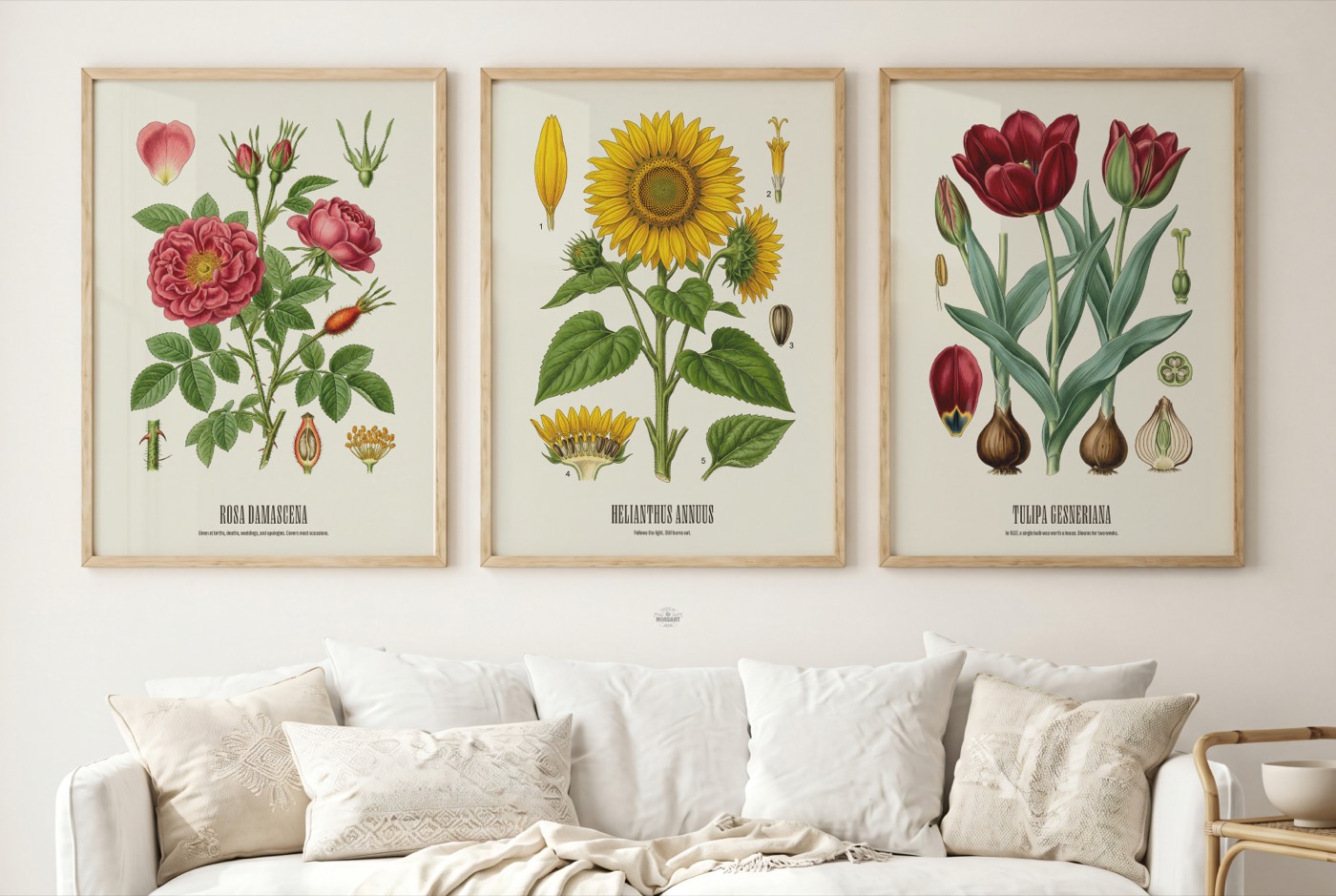
The language of flowers was mostly a nineteenth-century commercial affair, sold by publishers as little dictionaries to teenagers who wanted to say something without having to say it. A striped carnation meant refusal. A yellow rose meant jealousy. It was a good business, and the plants had no part in it. A flower is a reproductive organ that bribes insects, hoards water, and outlasts the competition, and it wishes you nothing at all. It survives, adapts, and eventually fades, which is more or less the occasion a birthday marks.
Roses & peonies, built to outlast you
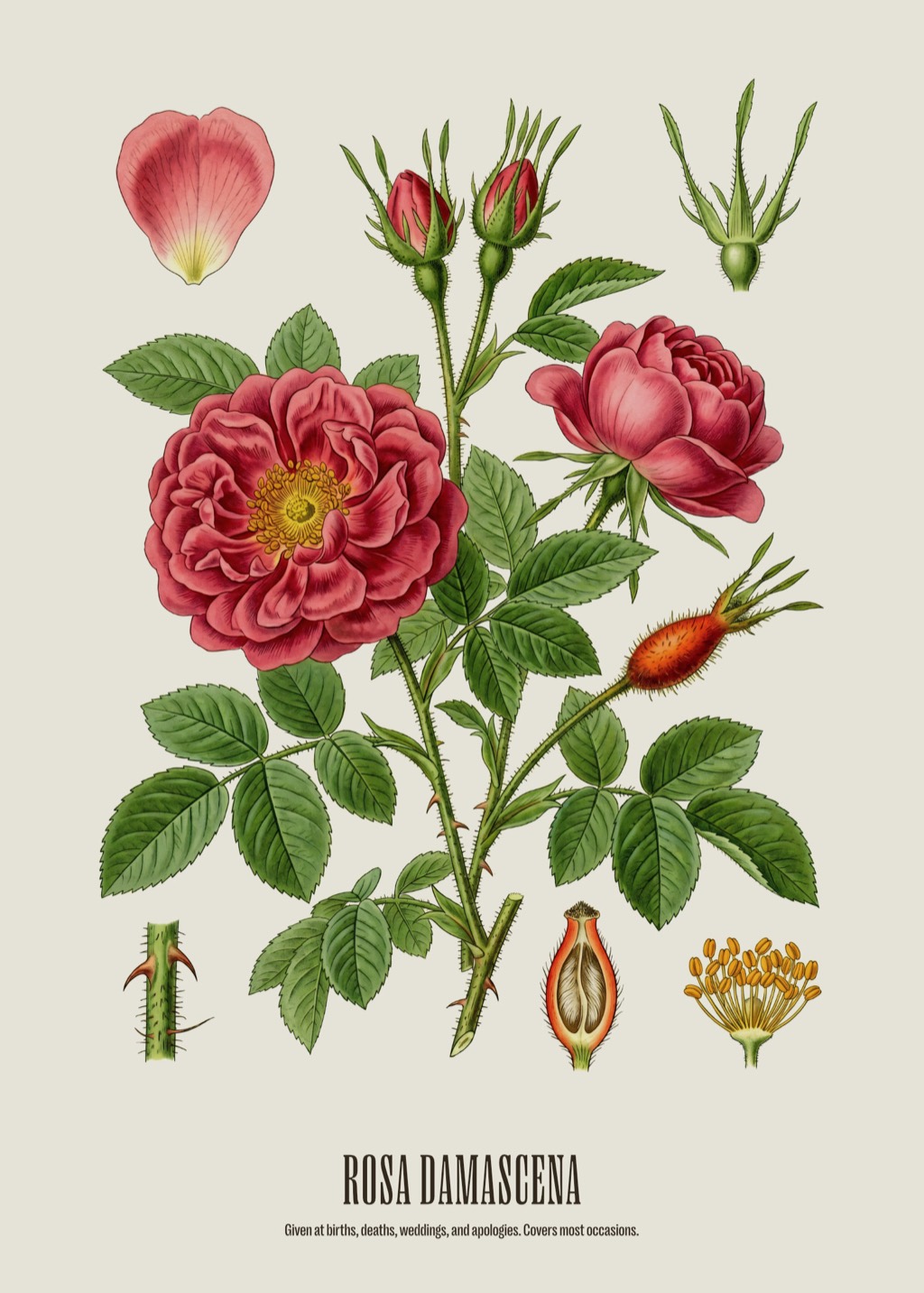
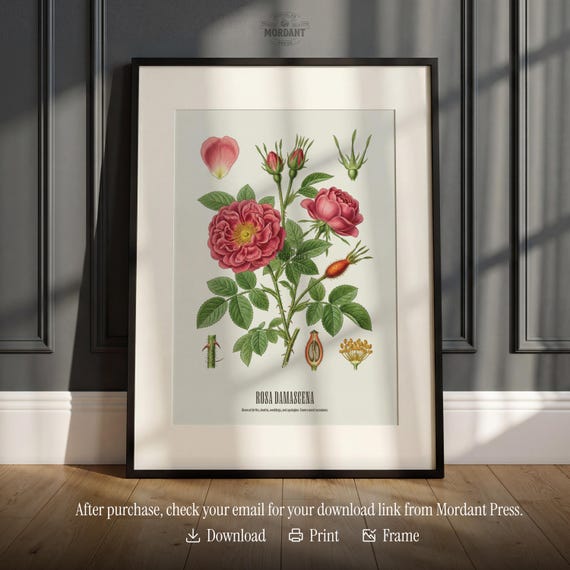
The rose is a strange thing to hand someone as a token of affection, considering how it is built. What we call thorns are prickles, outgrowths of the bark whose job is to catch on passing animals and make them regret it. The heavy, many-petalled bloom is our doing: centuries of breeding turned the stamens into extra petals and left much of the modern rose sterile, ornamental, and unable to reproduce without human help. The Damask rose (Rosa × damascena) is grown for attar. It takes three or four tonnes of hand-picked petals to distil a single kilogram of the oil, which keeps it, by weight, among the most expensive substances on the market. Aged, one might say, into something expensive. The rose is June’s birth flower, which is about the only part of this a Victorian would have cared to know.
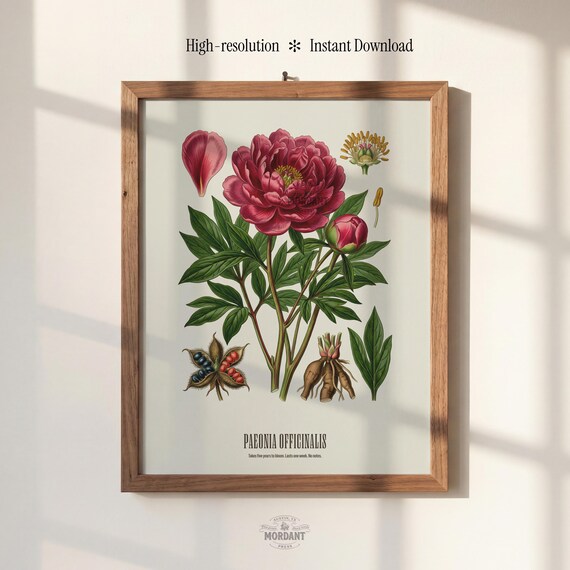
The peony plays a longer game. It will hold the same patch of ground for fifty years, on one condition: it needs the cold. Without weeks near freezing it forgets how to flower, and the buds stay shut through spring. The reward for surviving the winter is another chance to come back. Happy returns of the day, at a scale most cards do not intend.
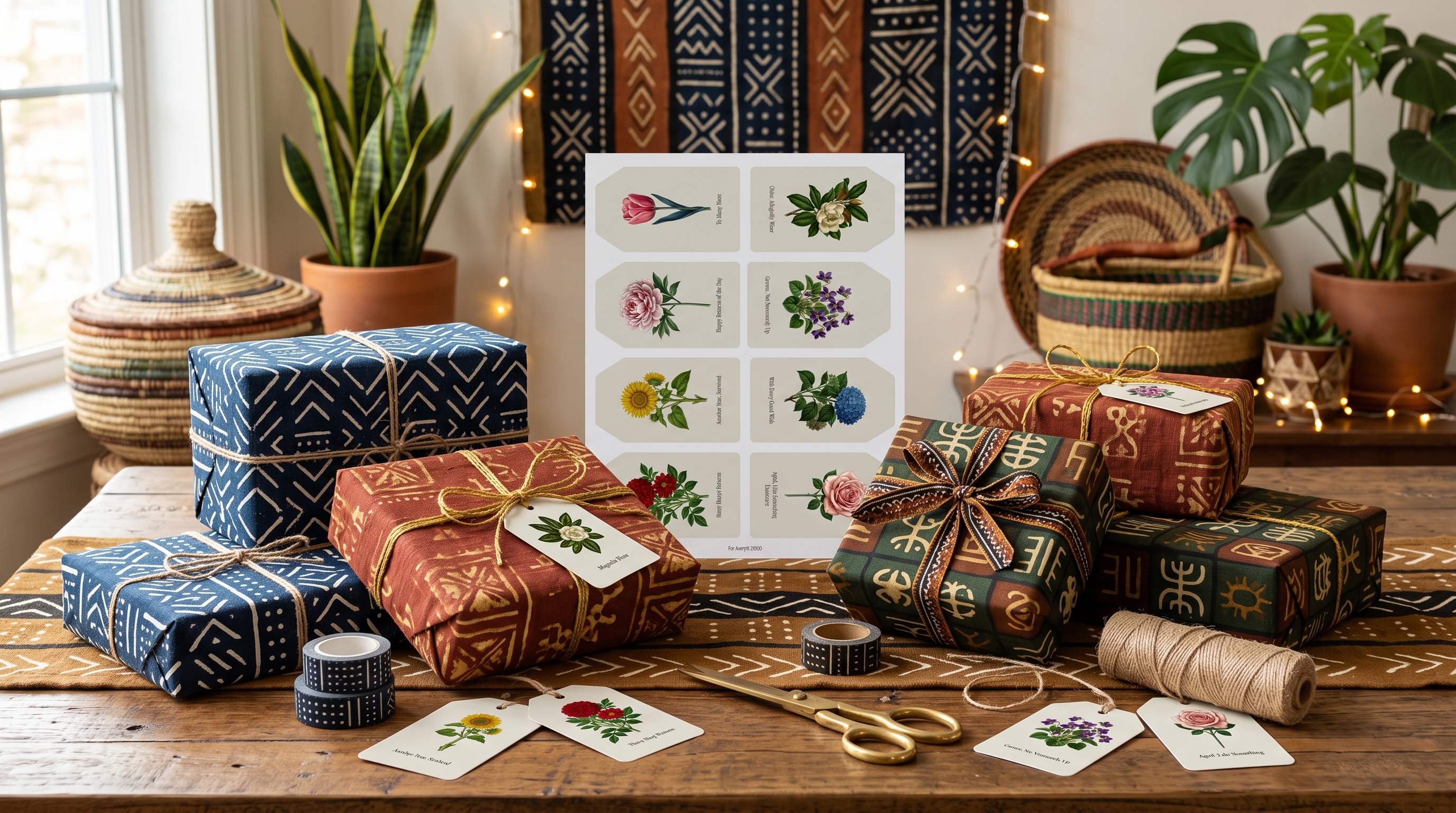
We have printed eight of these facts onto a set of free printable gift tags, for people who prefer their birthday wishes with some natural history and a little less foil.
Tulips & hydrangeas, priced by disease and soil
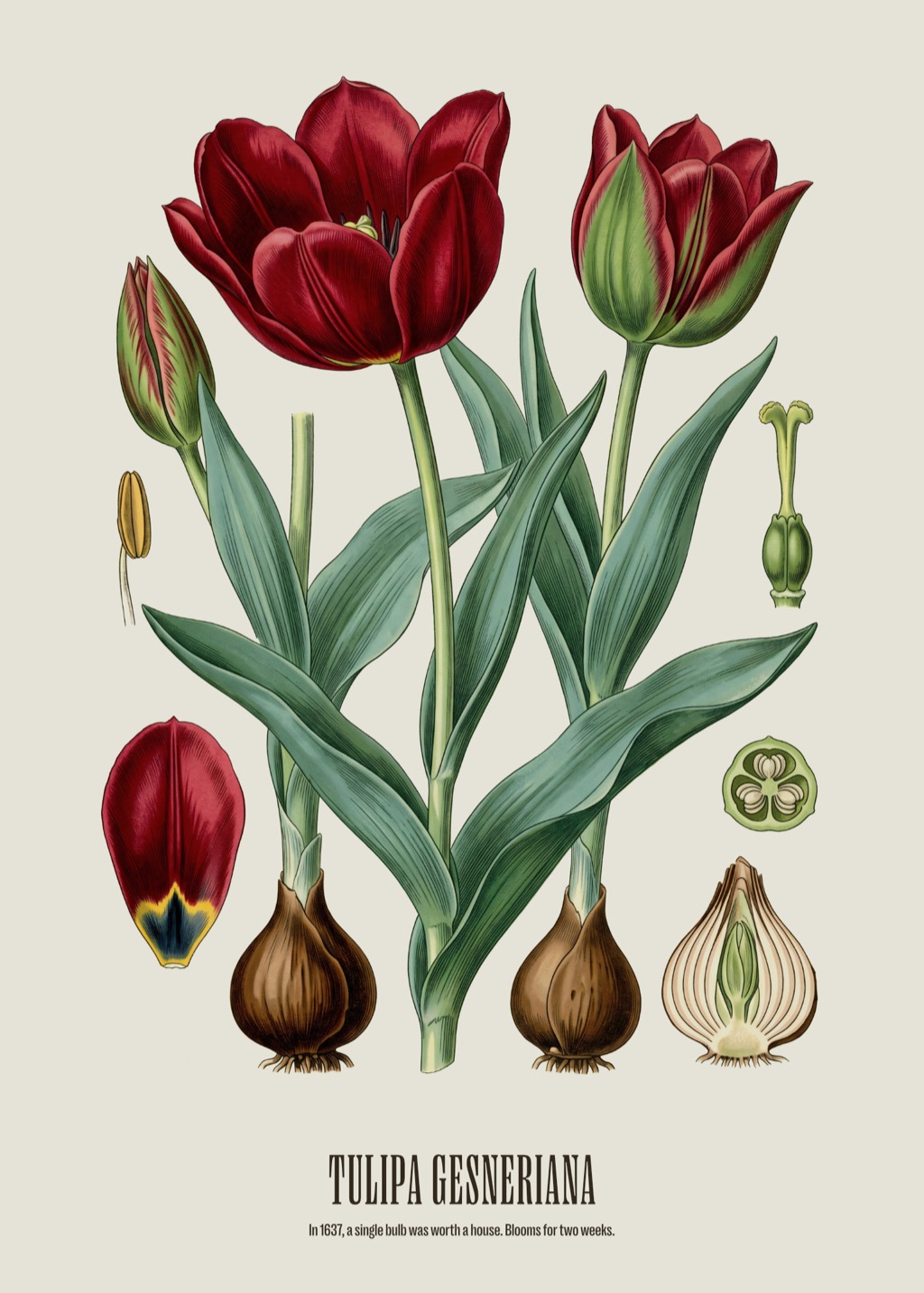
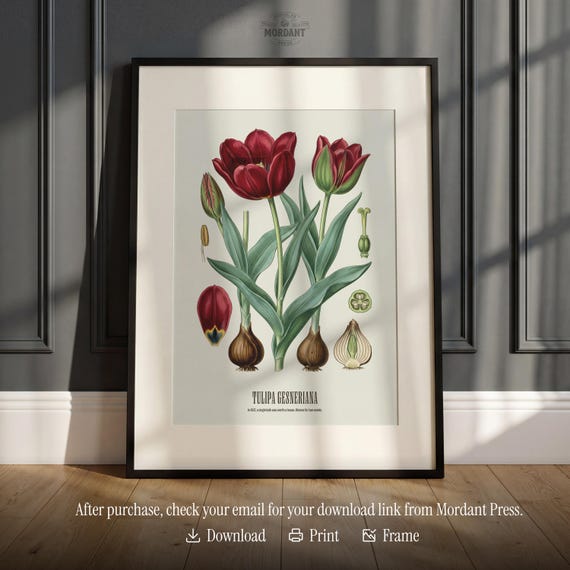
In the 1630s the Dutch turned the tulip into what usually gets called the first speculative bubble, though it was not the last time a plant moved serious money. At the peak, a single bulb of the flame-streaked Semper Augustus reportedly changed hands for the price of a canal house. The joke was biological: those prized streaks were the symptom of a mosaic virus, so the most valuable tulips were also the sickest, dwindling with each generation until the line gave out. When the market broke in 1637, most of the money turned out to have been promises on paper, and the courts declined to chase it. To many more.
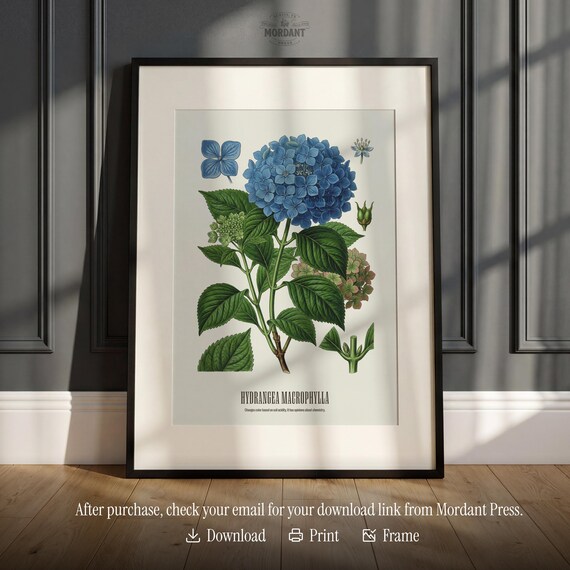
The hydrangea has no such ambitions. It takes its colour from the soil: acid ground frees up aluminium and turns the flowers blue, alkaline ground locks it away and leaves them pink. The plant does not decide. It simply becomes the colour of wherever it has been standing, which is a condition most of us will recognise.
Sunflowers & dahlias, still coming back
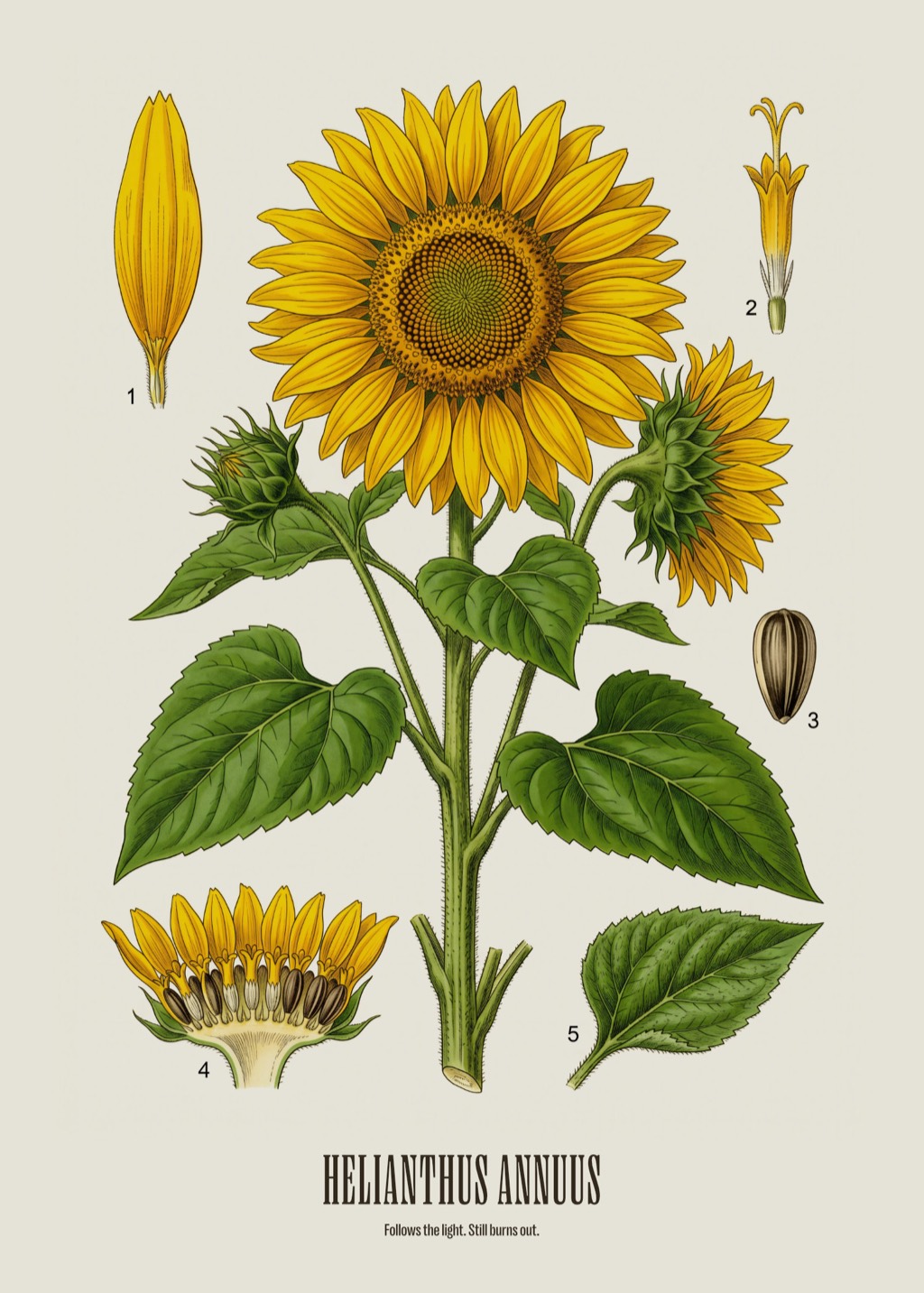
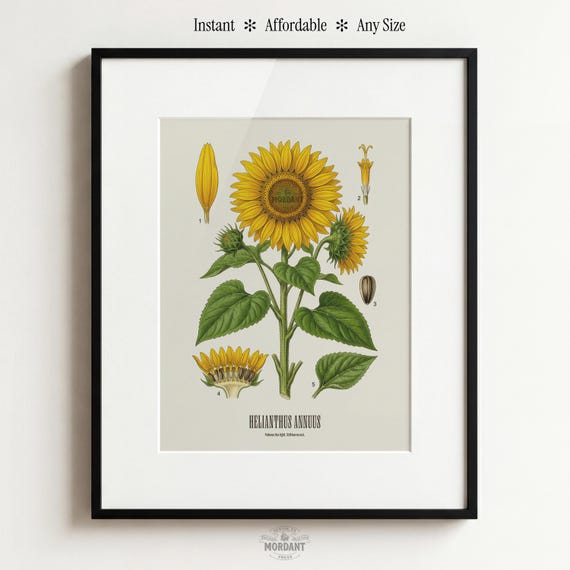
A young sunflower follows the sun across the sky, east to west, on an internal clock. Then it grows up and stops. Once the flower opens the stem stiffens and the head sets in place, facing east for good, waiting on the morning instead of chasing the afternoon. And what looks like a single flower is a few hundred of them, a dense crowd of tiny florets running the same operation together, getting the seed out before frost takes the stalk. Another year, survived.
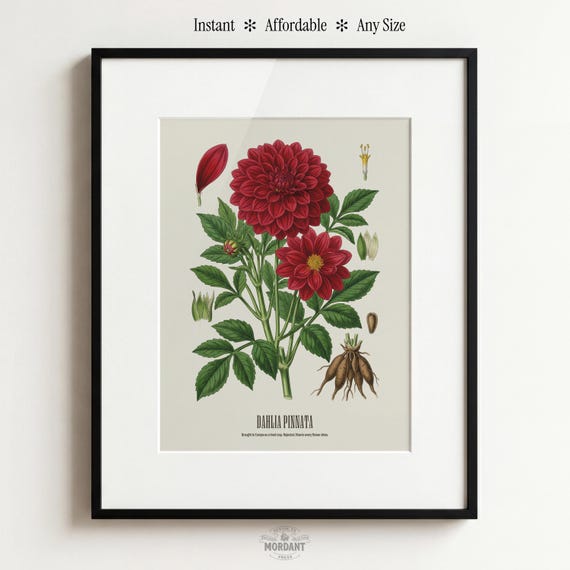
The dahlia was food before it was a centrepiece. The Aztecs grew it as cocoxochitl for its starchy tubers, eaten as a root vegetable. The starch is inulin, gentle enough on the blood that before insulin was isolated in the 1920s, dahlia extract was one of the few sweet things a diabetic could risk. The tidy geometry came later, courtesy of European gardeners. It blooms late and refuses to hurry, holding its display after the rest of the border has given up, until the first hard frost blackens it. Many happy returns.
Magnolias & violets, old and self-contained
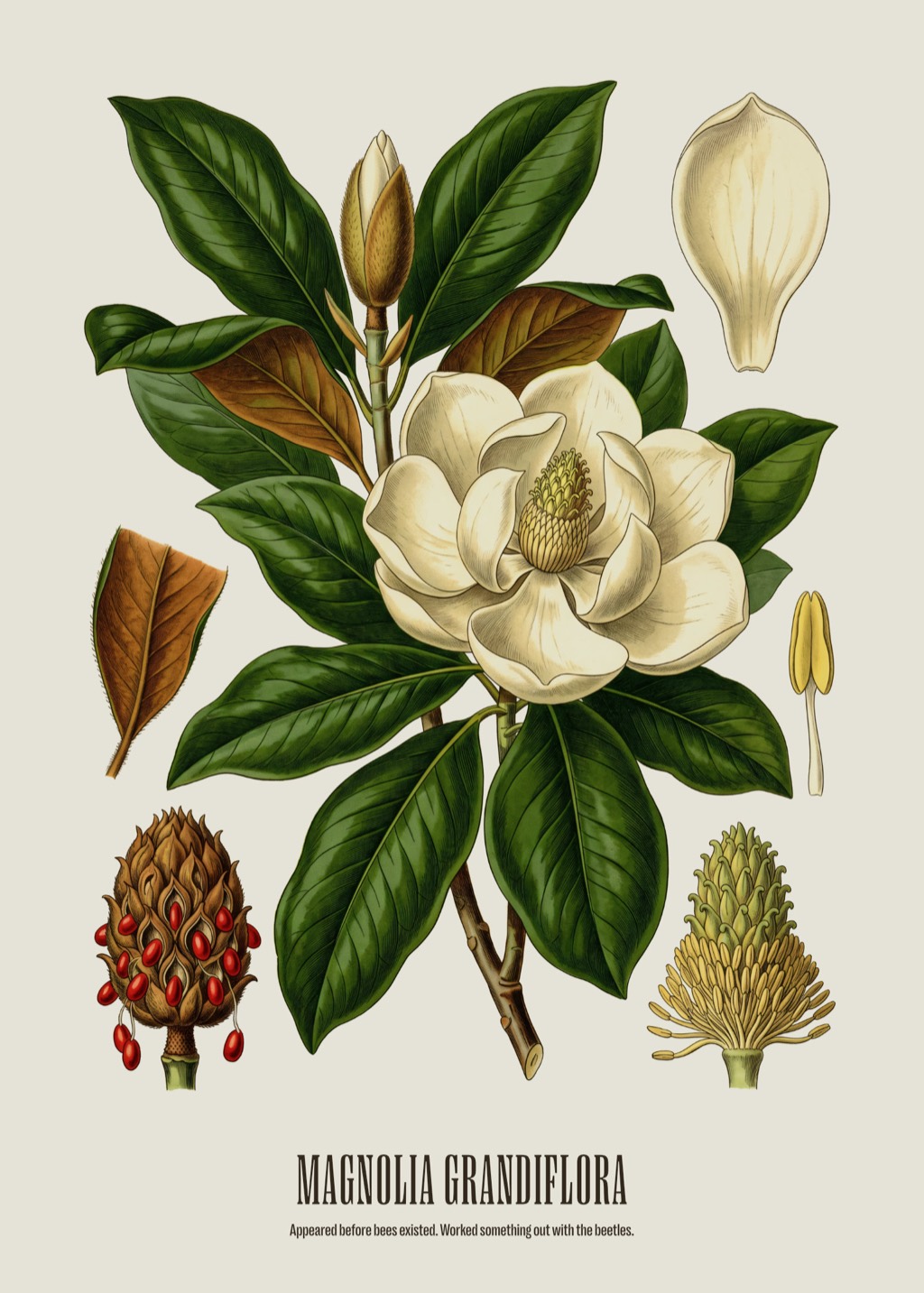
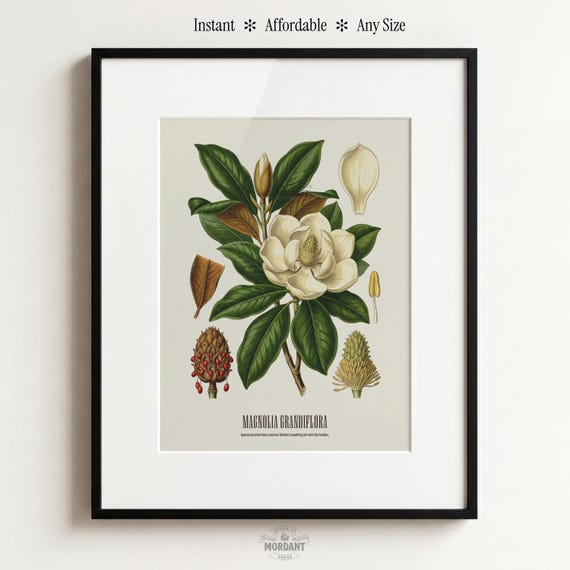
The magnolia predates the neat pollination arrangements that came later. It turned up around a hundred million years ago, when the job fell to beetles: heavy, blundering, inclined to chew. So it built for the clientele, with thick leathery petals and armoured carpels that could take the abuse. It is a fortress that predates its attackers and has outlasted most of them. It sat through the asteroid that finished the dinosaurs and carried on much as before. Older, and allegedly wiser.
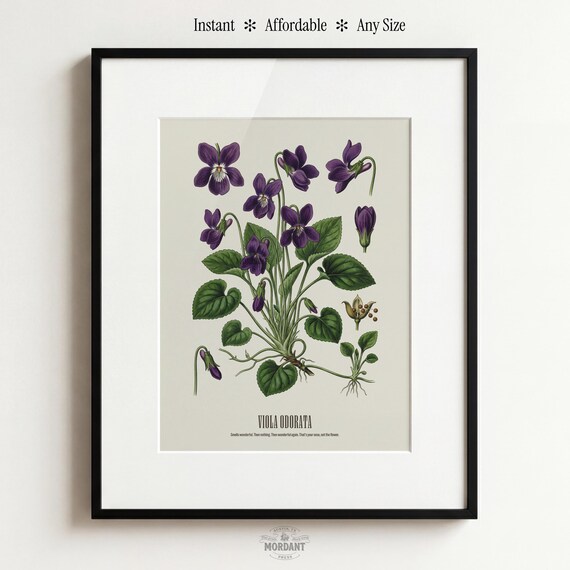
The sweet violet (Viola odorata) keeps to itself. After the familiar purple flowers of early spring, it produces a second, quieter kind: closed buds that never open, sitting low to the ground and pollinating themselves in the dark, no insects and no audience required. Its scent is the last trick. Violets carry ionone, which briefly switches off the receptors that detect it, so the smell vanishes a breath after you find it and returns only when the flower allows. Grown, if not necessarily up. It is February’s birth flower, for anyone keeping score.
The register
Eight plants, and what each is quietly up to.
| Flower | What it is actually doing | The tag |
|---|---|---|
| Rose | Bred sterile for looks; its scent runs three or four tonnes of petals to the kilo | Aged, Like Something Expensive |
| Peony | Needs weeks of frost, or it forgets how to flower | Happy Returns of the Day |
| Tulip | Its most prized colours were a virus that killed the bulb | To Many More |
| Hydrangea | Takes its colour from the acidity of the soil it stands in | With Every Good Wish |
| Sunflower | Chases the sun until it matures, then holds still facing east | Another Year, Survived |
| Dahlia | An Aztec root vegetable long before it was a show flower | Many Happy Returns |
| Magnolia | Older than bees, armoured against the beetles that fed on it | Older. Allegedly Wiser |
| Violet | Pollinates itself in the dark and briefly switches off your sense of smell | Grown, Not Necessarily Up |
A tag that doesn’t shout
Most birthday cards arrive loud, with foil and glitter and an insistence on joy the recipient is expected to perform on cue. It tends to cheapen the one thing worth marking, which is that a person has managed another year. A dry botanical fact does the opposite. It treats age as what it is: a long exercise in adaptation and stubbornness, kept up well past the point of novelty.
That is what the tags are. Eight of them, each a plant and a plain observation, free to download and print at home on whatever cardstock is in the drawer. And for anyone who would rather keep the survivors on the wall than on a gift, the same plates are in the shop as archival prints, footnotes included.