What Your Christmas Tree, Cookies, and Wreath Actually Are
Almost every plant on the Christmas table was doing something else first, usually older, often pagan, occasionally awkward. Here is what the decorations were up to before they were decorations.
The plants on the wall
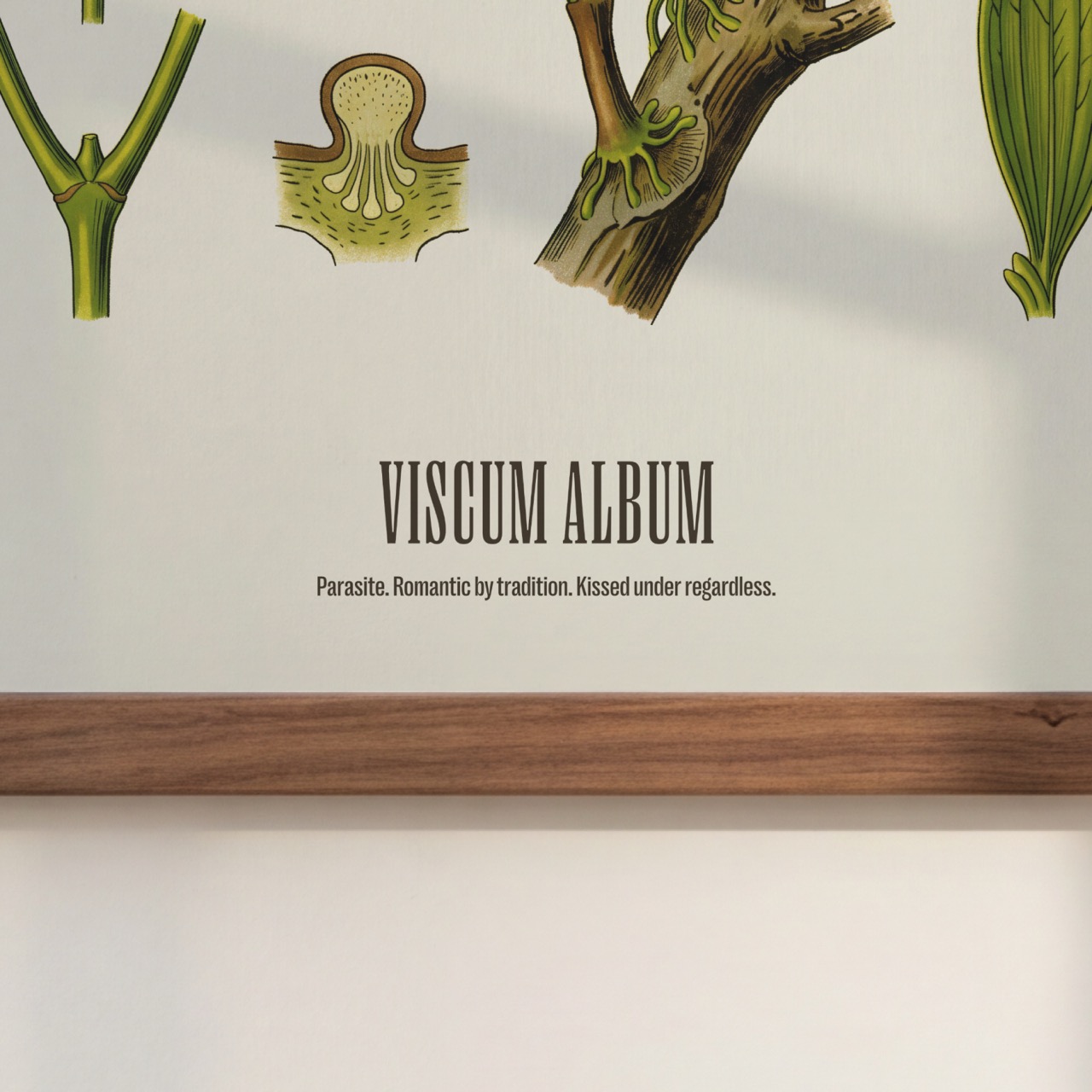
Mistletoe is a parasite. It grows by sinking into the branches of other trees and taking what it needs, which is a strange thing to kiss under, and the kissing came long after the older business: it was sacred to the Druids, and in Norse myth it’s the one thing that kills the god Baldr. Romance was a late addition to a plant with a body count.
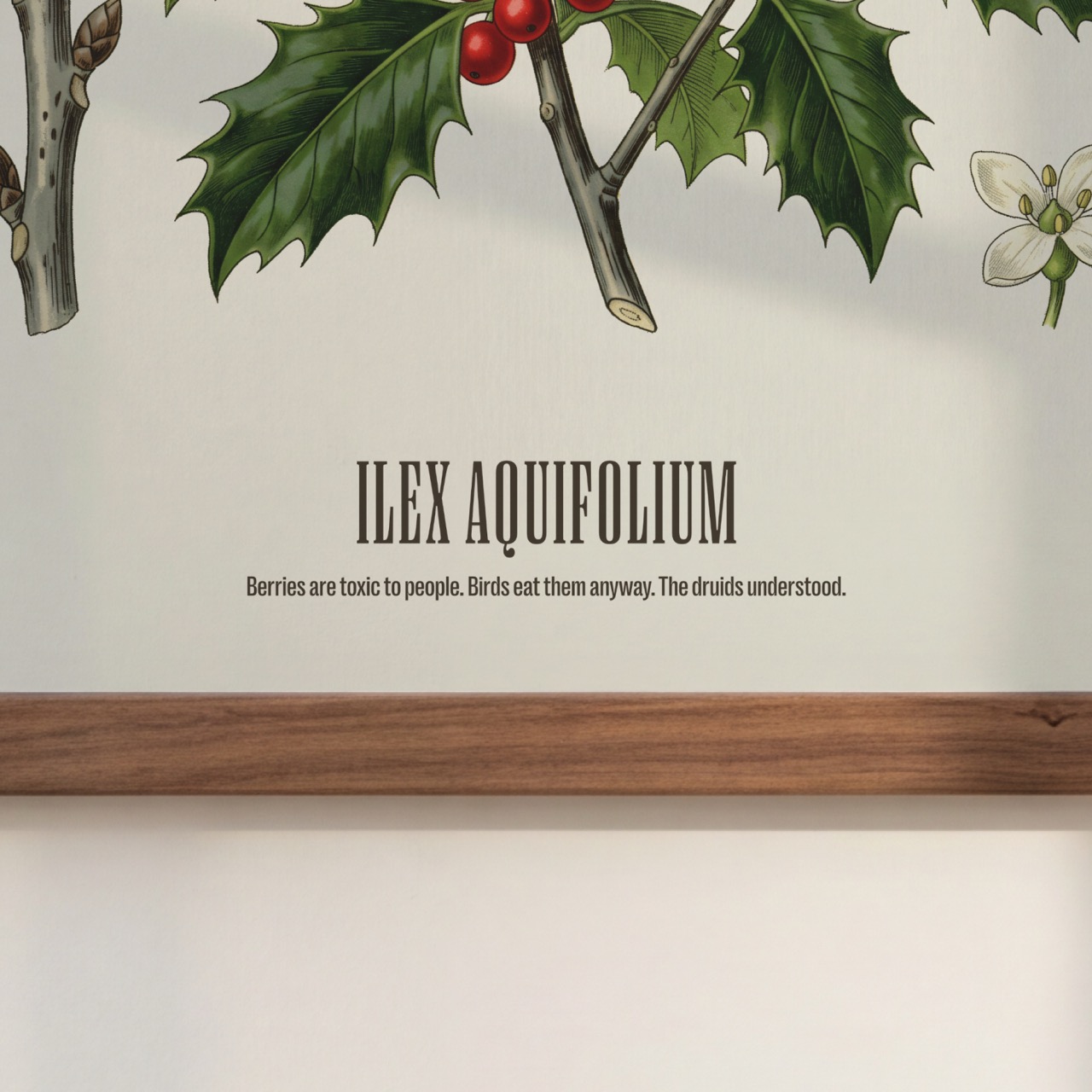
Holly was decorating midwinter long before the holiday it now belongs to. The Romans hung it for Saturnalia, and the early church adopted the existing habit rather than inventing a new one. The berries are toxic to people and eaten cheerfully by birds, which is roughly the arrangement the druids already understood.
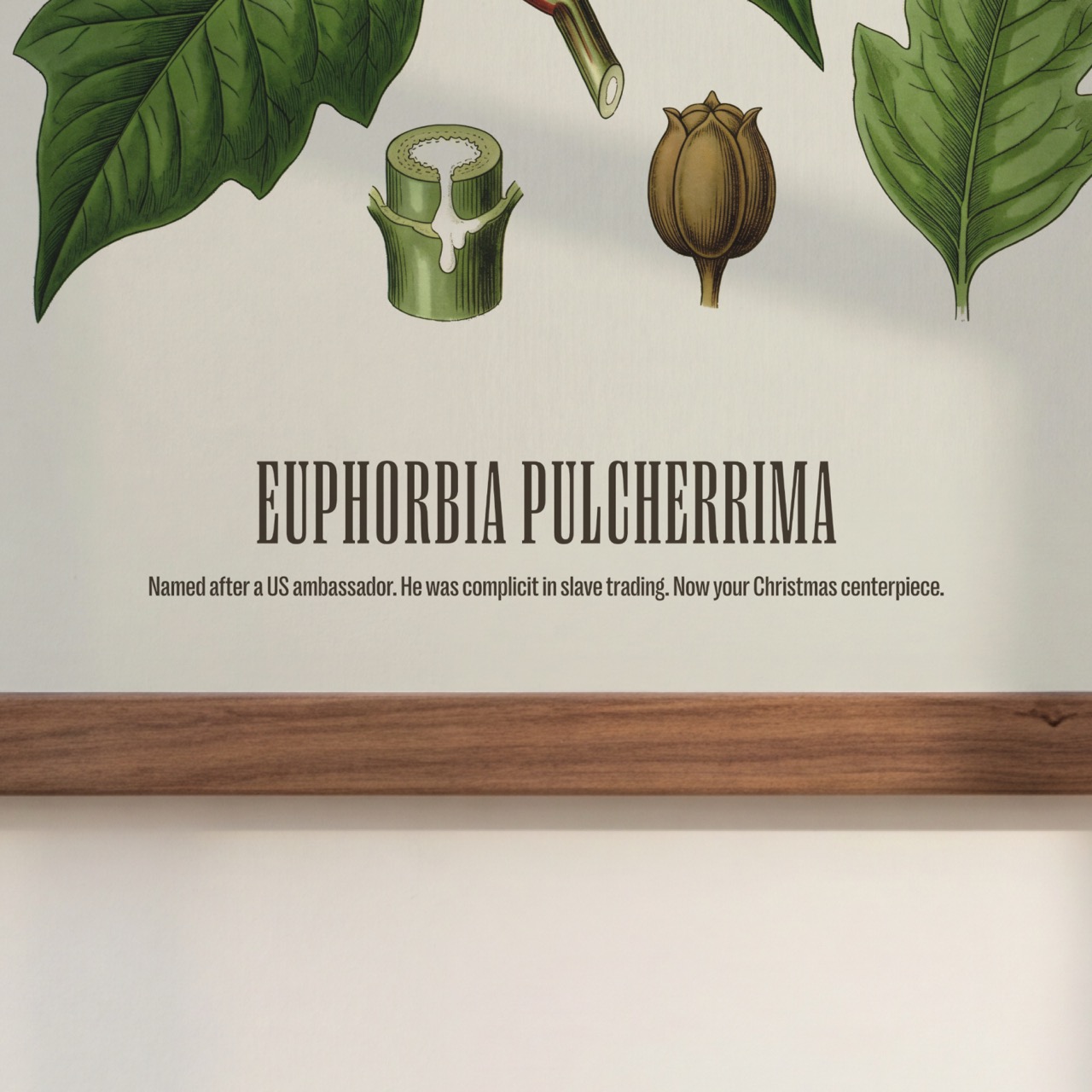
Poinsettia has the most uncomfortable paperwork. It’s a Mexican plant, Flor de Nochebuena, the Christmas Eve flower, and it carries the name of Joel Roberts Poinsett, the first US envoy to Mexico, who brought it north in the 1820s. He was also a South Carolina slaveholder whose meddling abroad gave the language the word “poinsettism.” The centerpiece has a backstory.
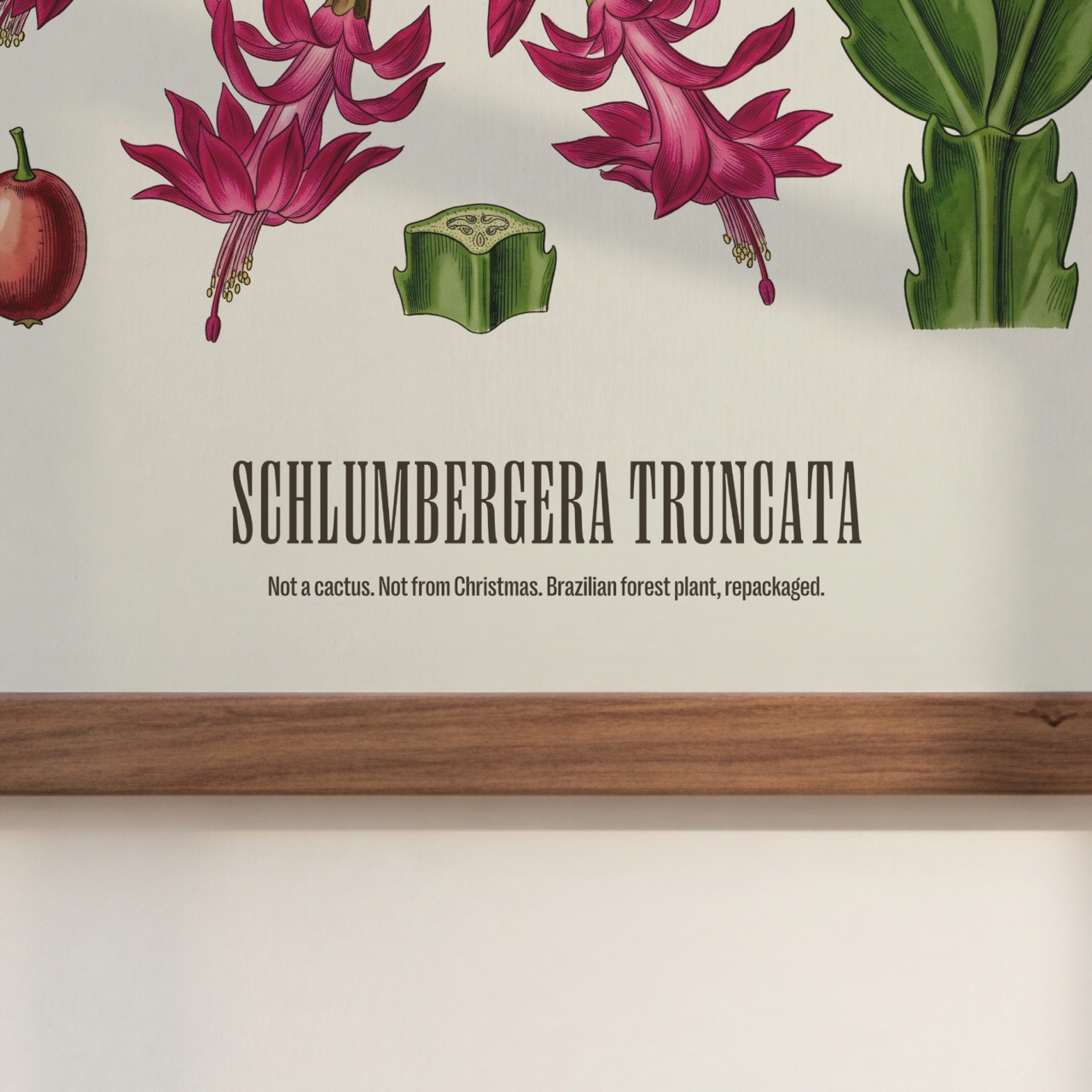
The Christmas cactus is the honest outsider everyone misfiles. Schlumbergera isn’t a desert cactus and has nothing to do with Bethlehem. It’s an epiphyte from the coastal mountain forests of Brazil that happens to bloom on the right calendar. Repackaged, like most of the season.
The two trees
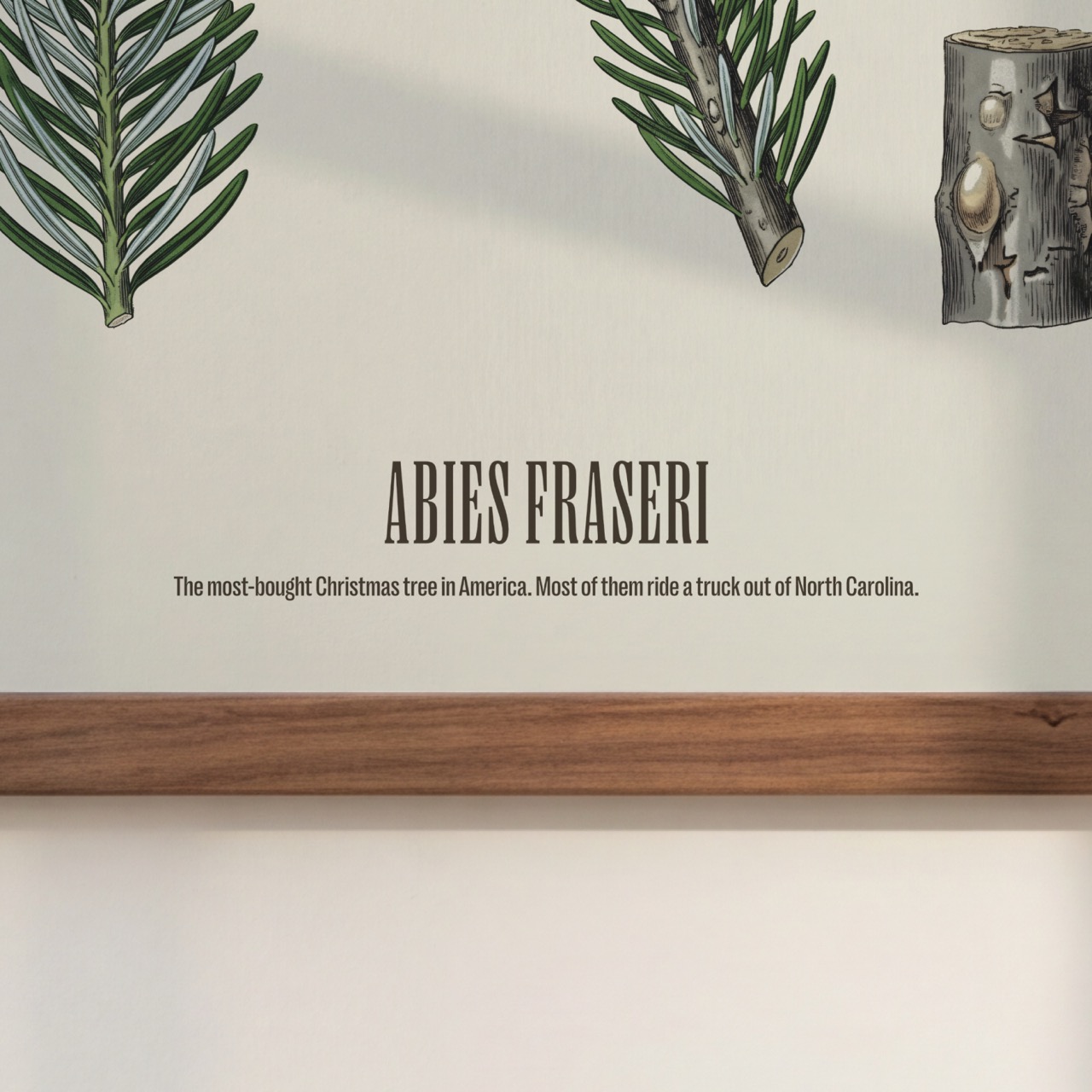
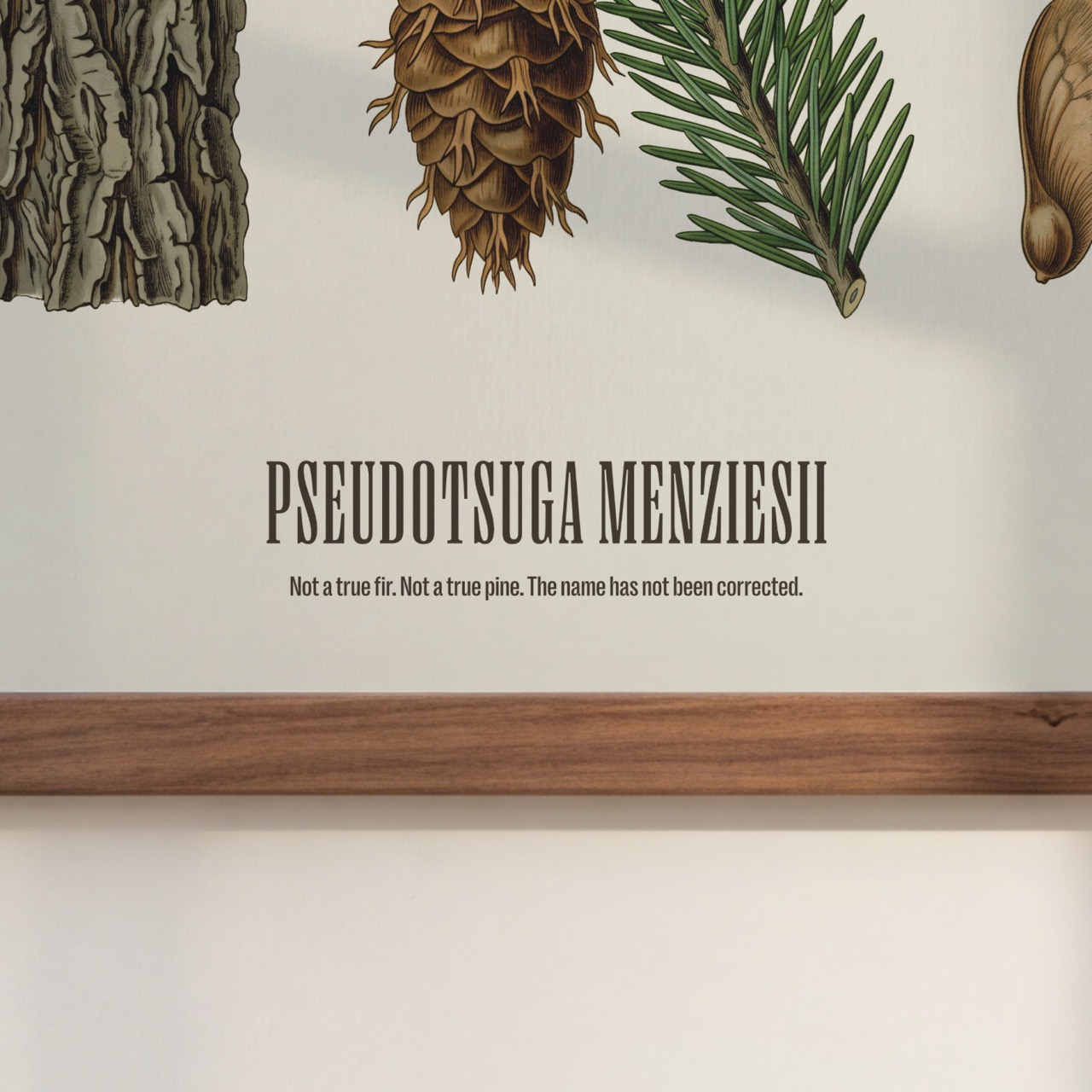
There is an East Coast Christmas tree and a West Coast one, and neither is quite what it claims. The Fraser fir is the most-bought tree in America, and most of them spend their early life on a slope in North Carolina before riding a truck to a parking lot near you. The Douglas fir, its western counterpart, is not a true fir at all, and not a true pine either, and the name has simply never been corrected. The country can’t agree on a national Christmas tree because it grows two of them, both slightly mislabelled.
The spices in the kitchen
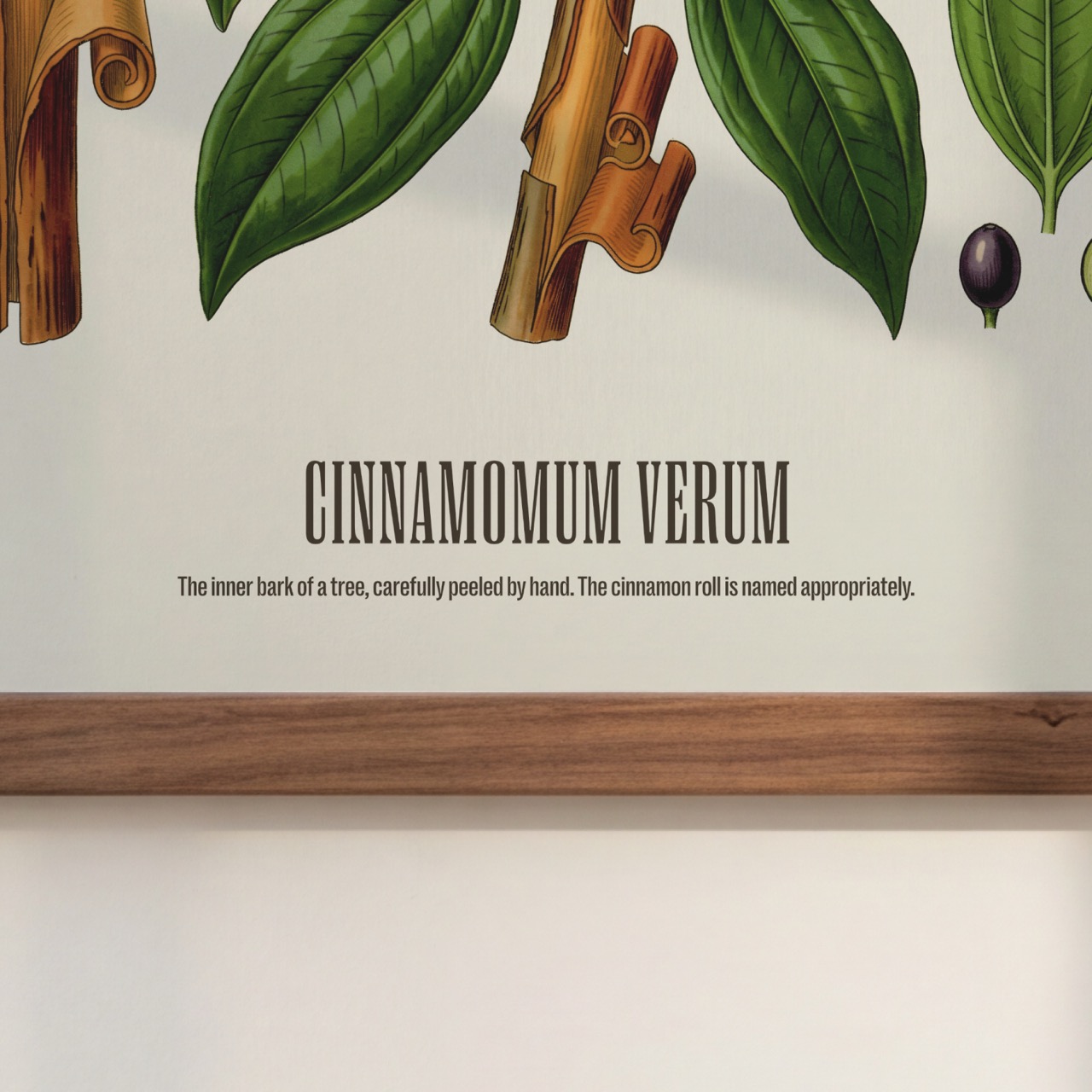
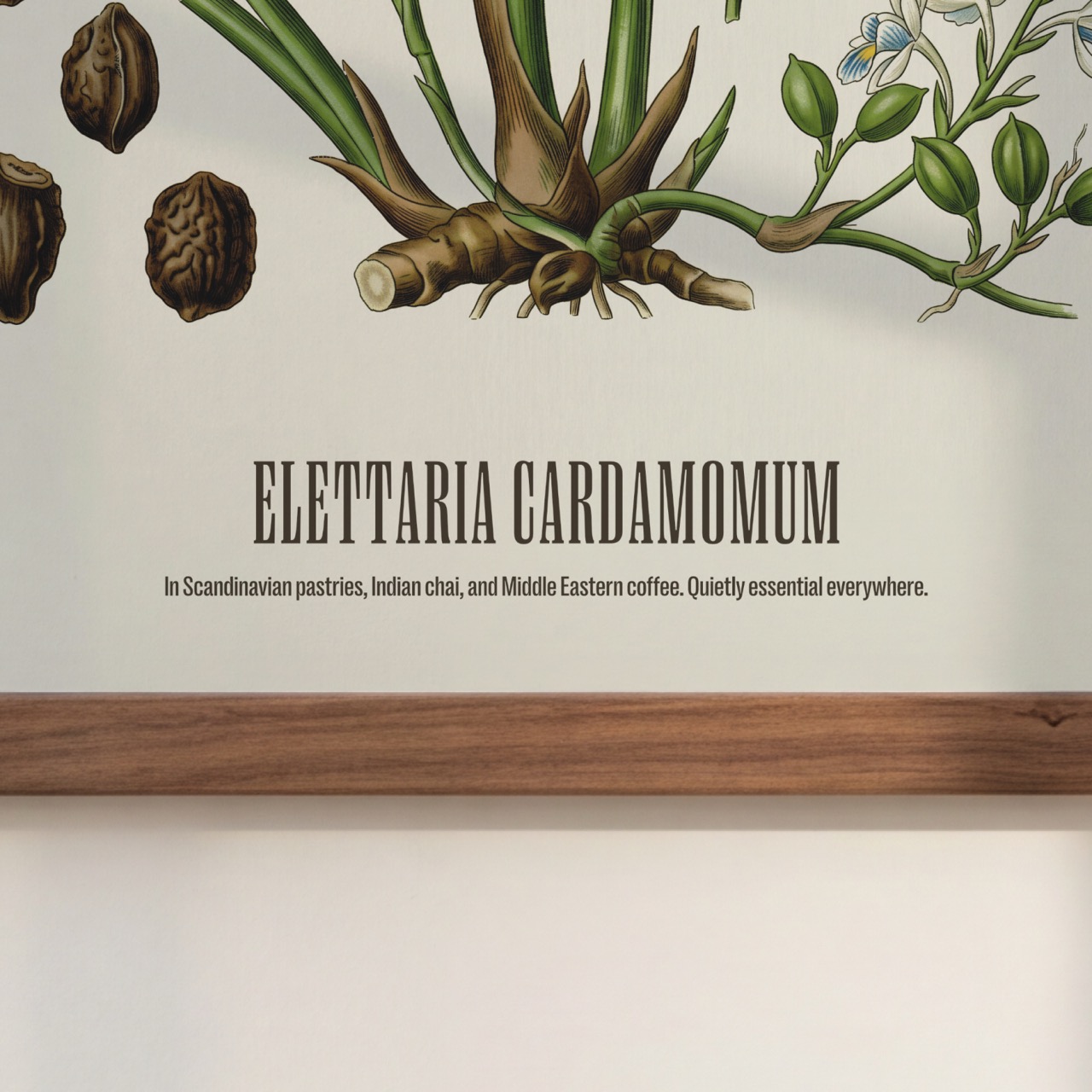
Cinnamon is the inner bark of a tree, peeled by hand and rolled as it dries, which is why the cinnamon roll is named more accurately than most pastries. Cardamom is the quiet one in the Scandinavian Christmas, in the cardamom buns and the mulled wine, the same pod that runs through Indian chai and Middle Eastern coffee. Both have been seasonal long enough that the smell does most of the work now.
The food that predates the holiday
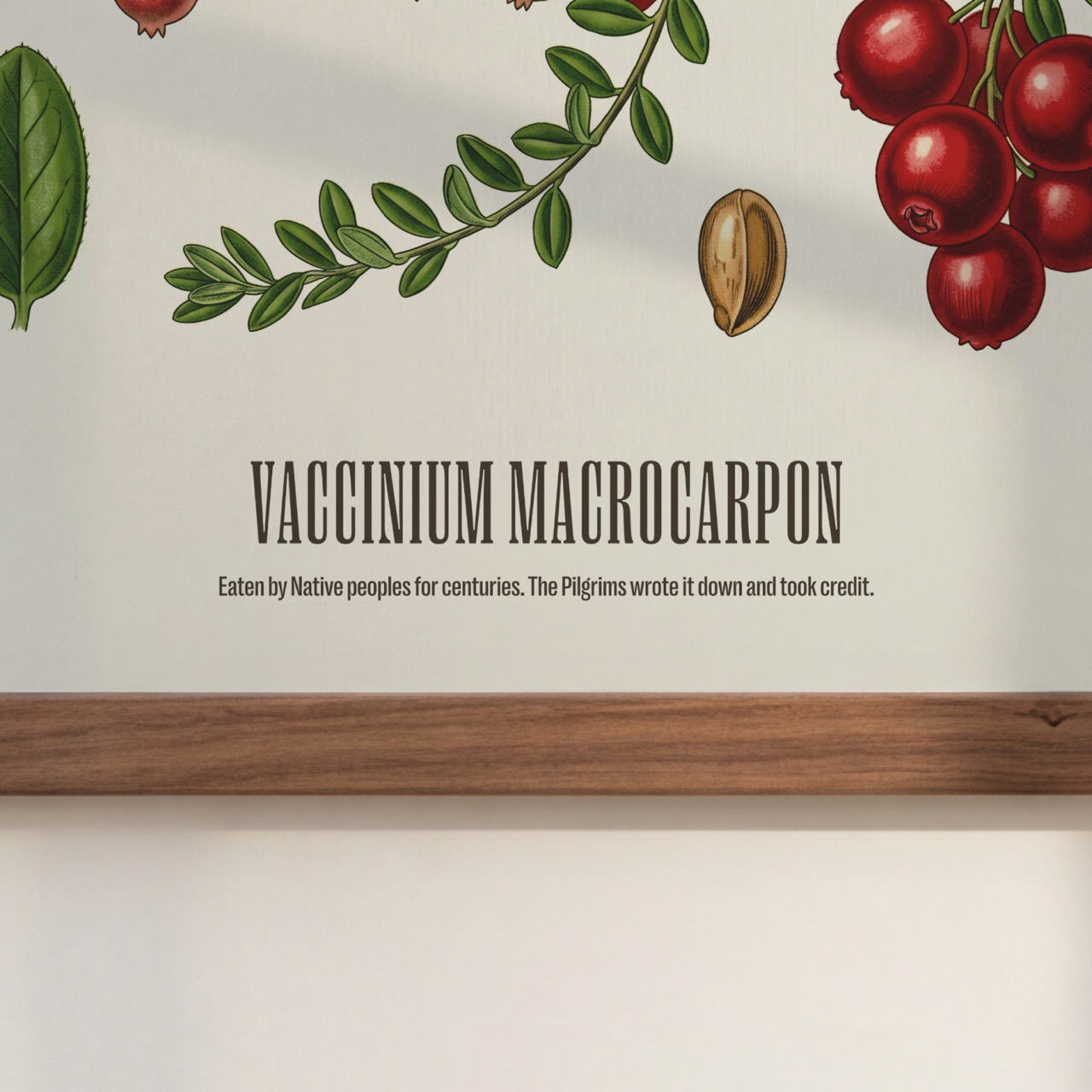
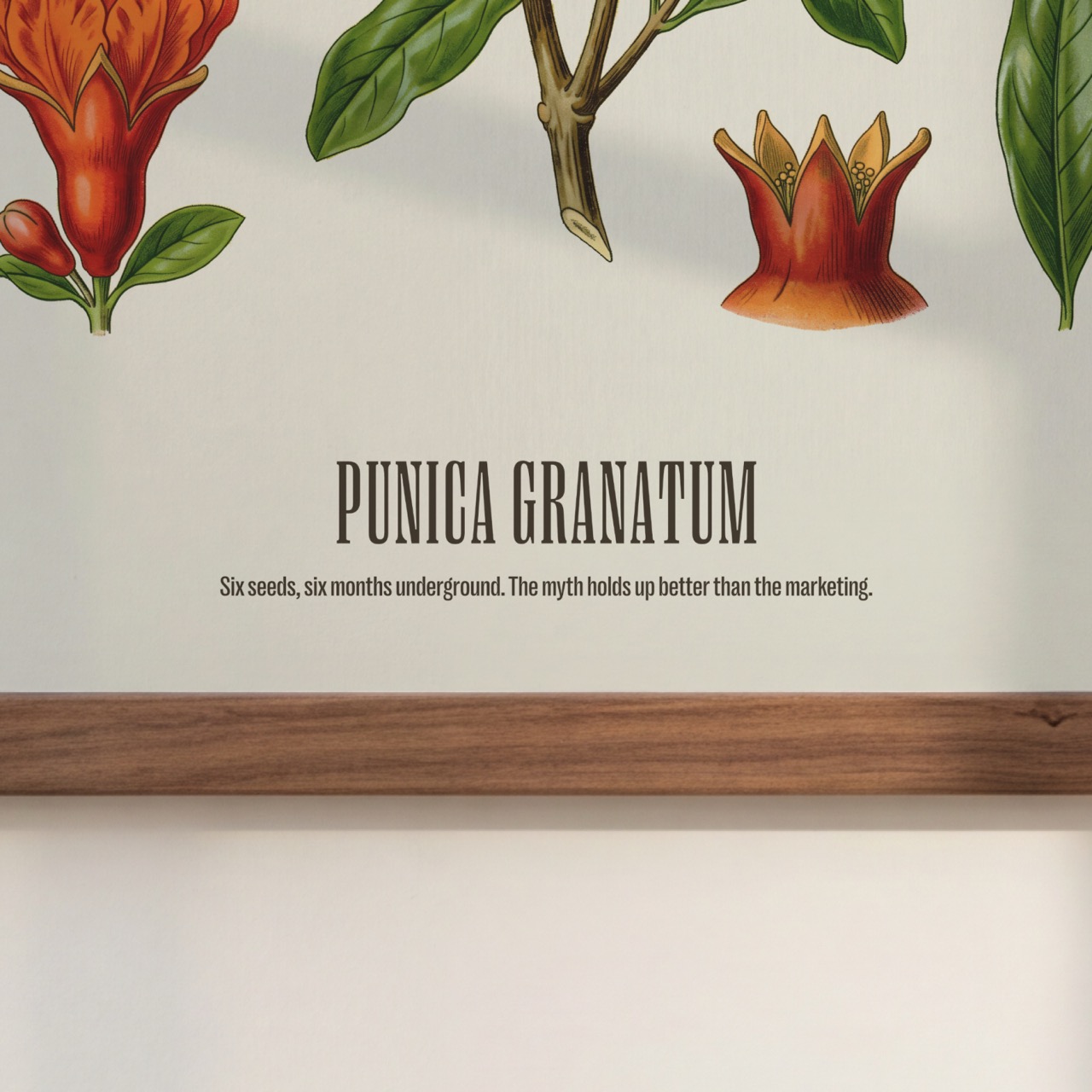
Cranberry was here first. Native peoples on this continent were eating it, and preserving it in pemmican, for centuries before it arrived at anyone’s Thanksgiving or Christmas. Pomegranate goes back further still: six seeds and six months underground in the Greek myth of Persephone, a fruit of winter and return that Persian tradition also lights candles for at the solstice. The newest holiday on the table is sitting on top of some very old food.
The holiday is younger than its decorations
The pattern, once you see it, is hard to unsee. The tree is pagan, the wreath is Roman, the flower is Mexican, the fruit is Persian. Christmas is, botanically, a very well-decorated act of borrowing. The flowers we hand each other the rest of the year are no more sentimental about it.
The set
Four of these hang together as a print set: mistletoe, holly, poinsettia, and the Fraser fir — the doorway, the wreath, the centerpiece, and the tree. That’s the Christmas Botanicals Set of 4 — vintage holiday plates, footnotes included.